

Fine motor skills printable activities help young children strengthen the small muscles in their hands and fingers — essential for writing, buttoning clothes, using scissors, and everyday independence. These hands-on worksheets give kids the real practice they need away from screens, building confidence step by step while having fun.
This guide explains why fine motor skills matter, what activities truly work, and how parents and teachers can use printables at home, school, or therapy settings.
What Are Fine Motor Skills in Early Childhood?
Fine motor skills are the abilities required to make small, controlled movements using fingers, hands, and wrists. These skills are the building blocks for classroom success and daily functioning.
Key skill areas supported by fine motor skills printable activities:
• Pencil grip and handwriting control
• Hand-eye coordination
• Scissor cutting and shape tracing
• Pinching, squeezing, and manipulating small objects
• Color-within-lines accuracy
• Coordination for tying laces, buttoning, zipping
When kids regularly practice through printables, muscles grow stronger and brain-hand connection improves quickly.
Why Printable Worksheets Help Fine Motor Skills
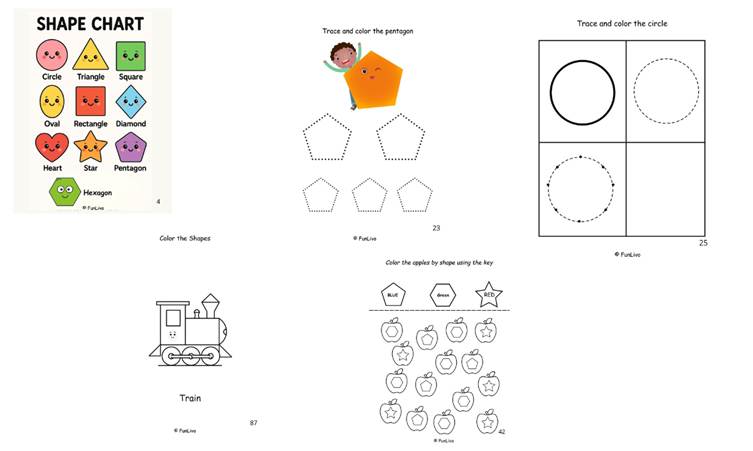
Printables are structured practice tools that help kids master movement patterns through repetition — but in a playful, creative way. They fit into family life easily and reduce screen time.
How printable activities help:
• Promote correct pencil strokes for writing
• Encourage tracing and drawing simple shapes
• Build finger strength through coloring and counting tasks
• Improve attention and focus with short tasks
• Provide instant success experiences → boosts confidence
• Parents can track visible progress page by page
Note: Printables are reusable when laminated — ideal for extra practice and younger siblings later.
Types of Fine Motor Printable Activities That Work Best
Each activity targets specific muscle groups and developmental milestones. Rotate and combine different skills for balanced growth.
Best printable activity categories:
• Tracing worksheets — letters, numbers, lines, curves
• Coloring pages — improve grip + creativity
• Cutting practice — safe scissor skills with simple shapes
• Matching & sorting activities — visual-motor connection
• Dot-to-dot & mazes — impulsive control + directionality
• Counting worksheets — coordinated writing with cognitive skills
You can start with easier big strokes and move gradually to smaller, more precise actions.
Examples of Our Reusable Fine Motor Skill Printables
These are available for instant download & home printing:
• Printable coloring worksheets → Fruits & Vegetables Coloring Activity Book for Kids
• Fine motor practice worksheets → Shape Tracing Workbook for Preschoolers
• Handwriting readiness worksheets → Number Tracing Workbook for Preschoolers

How Parents & Teachers Can Use Printables Daily
Short, consistent practice is more effective than long sessions.
Recommended routine:
• 10–15 minutes a day → strong progress over weeks
• Use erasable markers to repeat the same sheet
• Combine with real toys: crayons, blocks, beads
• Create a weekly rotation: tracing → coloring → cutting
Kids learn best with fun hands-on experiences, not screens.
Make Your Printables Reusable (Save Paper + Money)

A small setup that lasts years:
• Laminate worksheets or use reusable dry-erase sleeves
• Store in a folder as “weekly activity book”
• Clean easily with tissue or wipe
• Reuse for younger siblings or in learning centers
Perfect for homeschool, preschools, and therapy rooms.
Signs a Child May Benefit From Extra Support
Early signs worth watching:
• Difficulty holding pencil or crayons properly
• Avoids drawing, coloring or craft tasks
• Struggles using scissors or folding paper
• Buttons, zippers, utensils are hard to manage
• Frustration with writing & school tasks
Frequently Asked Questions
1) What age is best for fine motor skills printable activities?
Children ages 3–6 greatly benefit from tracing, coloring, and early writing printables.
2) Do these worksheets replace real play?
No — they support hands-on play like blocks, crafts, and puzzles.
3) How often should kids practice fine motor worksheets?
10–15 minutes daily gives the best visible progress.
4) Can these activities be reused?
Yes! Laminate and use dry-erase markers to save paper and repeat practice.
5) Can printables help handwriting readiness?
Yes, tracing and stroke-based printables build pre-writing coordination and pencil control.
Final Thought
Fine motor skills grow stronger with consistent, guided practice — and printable activities make that progress simple for families and teachers. Just a few minutes each day can help children build the coordination, confidence, and independence they need for school and daily life. Start small, have fun, and celebrate each milestone your child achieves.
Disclaimer:
These worksheets support everyday skill practice and do not replace professional developmental guidance.