
Table of Contents
Number 1-20 Worksheets for Kindergarten PDF: Fun Early Math Made Easy 1
Why Early Number Numbers 1-20 Worksheets Practice Matters in Kindergarten 1
What’s Included in a Good Number 1-20 Worksheets for Kindergarten PDF 2
How to Use These Worksheets at Home (10–15 Minutes Max) 2
Make Math Worksheets Reusable (Save Paper + Boost Practice) 3
Everyday Math Moments You Can Use at Home 3
What Progress Should You See by the End of Kindergarten? 3
Common Challenges Parents Face (and Quick Fixes) 4
FAQs about Number 1-20 Worksheets for Kindergarten 4
Number 1-20 Worksheets for Kindergarten PDF: Fun Early Math Made Easy
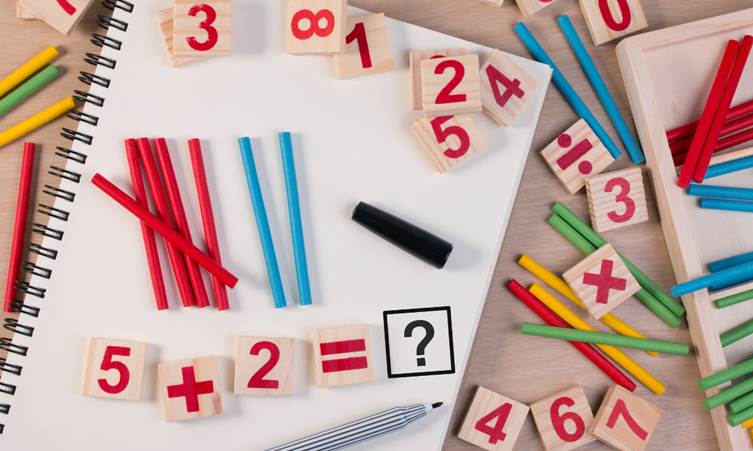
Learning numbers is more than a child chanting “1 to 20.” Kids must see numbers, write them correctly, and understand what they mean in real life. Number 1-20 worksheets for kindergarten PDF help your child practice counting, tracing, and identifying numbers in a simple way you can repeat daily at home.
Short sessions with printables turn early math into a hands-on routine — without screens or complicated planning.
Why Early Number Numbers 1-20 Worksheets Practice Matters in Kindergarten
Kindergarten math builds the foundation for later skills like addition, subtraction, and problem-solving. When children engage with numbers using visuals and hands-on tasks, understanding grows stronger.
Experts emphasize that early math experiences — like counting objects and tracing numerals — support overall school readiness and long-term confidence in math.
What strong number practice develops:
• Number recognition (knowing what 15 looks like)
• Counting objects in order
• Writing numbers correctly with proper formation
• Understanding quantities, not just memorizing
• Focus and attention through small daily tasks
American Academy notes that early math exposure improves later academic success by making concepts easier to understand in school.
Printable worksheets give you an easy way to bring math into real life — consistently and without pressure.
What’s Included in a Good Number 1-20 Worksheets for Kindergarten PDF
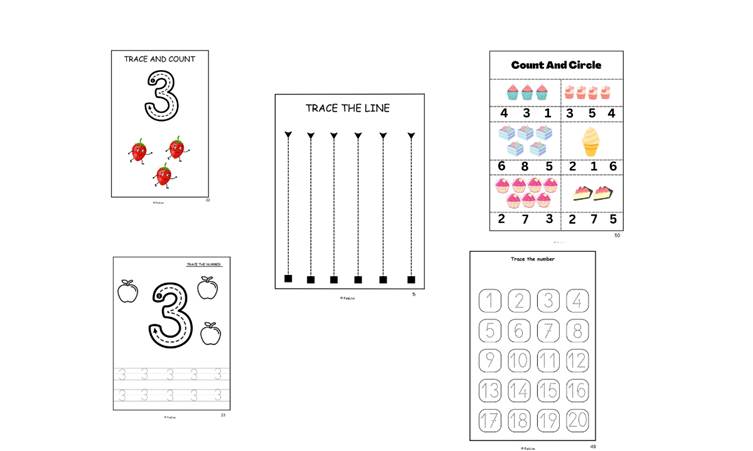
Many worksheets look cute but don’t teach correctly. Choose a pack that progresses slowly and keeps pages clean and child-friendly.
Look for:
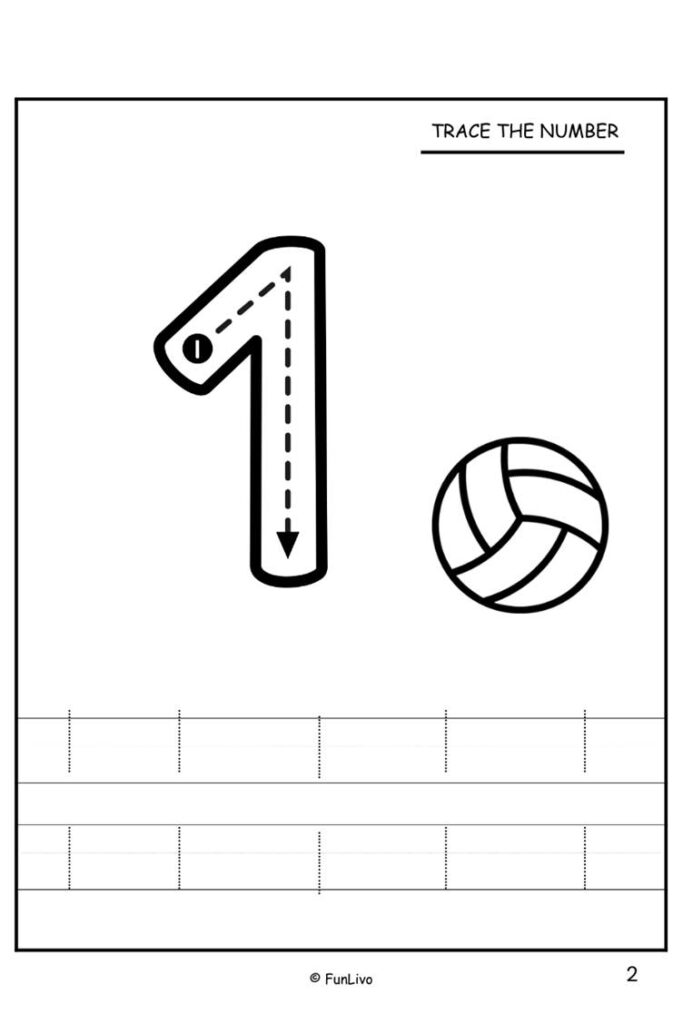
• Large tracing numbers with clear stroke arrows
• Counting with real objects or pictures
• Dot-to-dot or ten-frame style activities for concept clarity
• Simple layouts that don’t overstimulate
• Repetition — but not boring pages copied 20 times
Good worksheets blend writing practice + visual understanding + fun.
How to Use These Worksheets at Home (10–15 Minutes Max)
Parents usually struggle with how much practice is “right.” A light routine works best. The goal is consistent exposure, not finishing the pack in haste.
Try this simple flow:
• Start with tracing numbers 1–5
• Count objects together before writing
• Let your child color the pictures as a reward
• Repeat tricky numbers another day without pressure
• Celebrate small progress — a star sticker works wonders
Helpful tip: Mix seated work with movement — “Show me 8 pencils” after tracing 8 builds real meaning.
Make Math Worksheets Reusable (Save Paper + Boost Practice)
The most affordable way to build fluency is repeating the same worksheets multiple times — especially for difficult numbers like 2, 5, 7, 9.
How to reuse:
• Laminate the pages or use dry-erase pockets
• Keep a “Math Folder” or binder to track progress
• Rotate pages weekly: tracing → counting → number matching
• Use thick markers in early stages for better grip
Everyday Math Moments You Can Use at Home
Children learn faster when numbers appear in real life, not only on paper. Turning counting into small home rituals helps your child understand why numbers matter.
Try activities like:
• Count fruits while putting them in a bowl
• Count steps from the bedroom to the kitchen
• Match 10 spoons to 10 plates during meals
• Sort toys into groups of 5, 10, or 20
• Counting games in the lift: which floor comes next?
These simple habits build number sense — the understanding that numbers represent quantity and order in the world around us.
What Progress Should You See by the End of Kindergarten?
Every child learns differently, but educators share common learning expectations for ages 4–6. The goal is confidence and foundational readiness — not speed.
By the end of kindergarten, most kids can:
• Recognize numbers 0–20
• Count objects up to at least 20
• Write numbers with mostly correct formation
• Understand small comparisons like “5 is more than 3”
• Connect numbers with everyday objects
Examples of Our Number Printables You Can Download
These resources are designed for ages 3–6 with the right mix of counting and tracing:
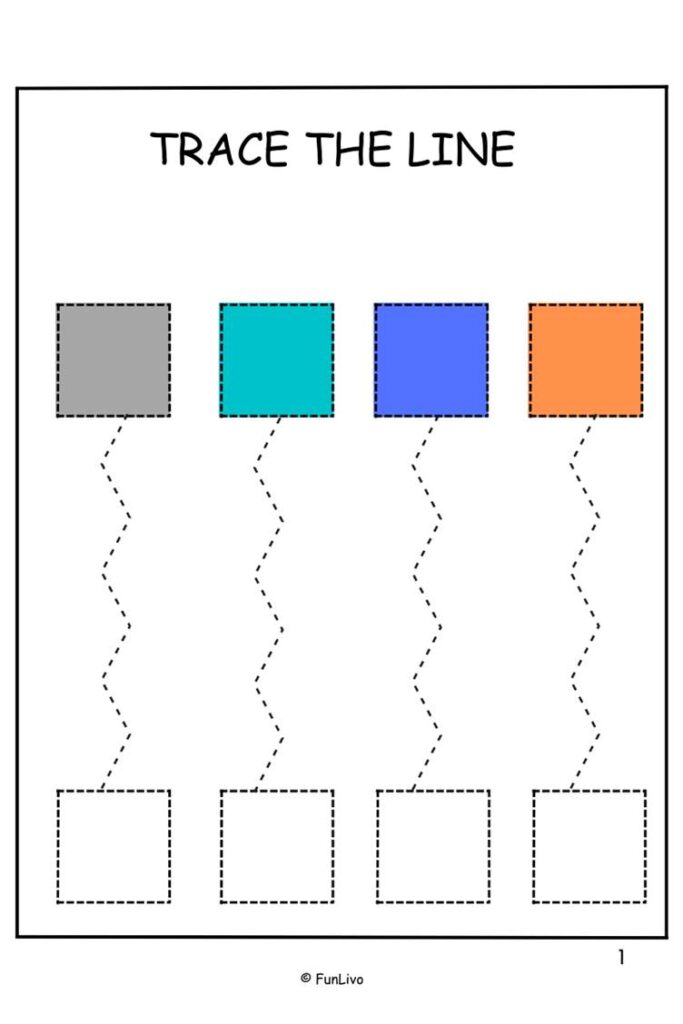
• Numbers 1–20 Tracing Workbook – correct stroke order + fun objects
• Count & Circle Worksheets – builds number-to-quantity understanding
• Tracing + Counting Mixed Book – pumpkins, cupcakes, butterflies etc.
• Certificate of Completion – positive motivation for young learners
Instant download. Print at home. Sized for A4 and US Letter.
Common Challenges Parents Face (and Quick Fixes)
Children often resist when worksheets feel too hard or when they’re tired. These fixes keep it joyful:
Challenge → Fix
• Messy tracing → Use thicker markers or trace multiple times
• Confusion between similar numbers (6–9) → Use picture cues
• Speed writing → Slow down with finger-tracing first
• Short attention span → 5-minute mini-sessions are enough
Small strategies lead to big confidence.
FAQs about Number 1-20 Worksheets for Kindergarten
1. How many pages should my child do daily?
One or two pages per day is ideal. Short practice strengthens learning better than long drills.
2. Can preschoolers use this?
Yes — focus on numbers 1–10 first and let them color freely.
3. Should I teach writing or counting first?
Do both together: “Trace 4, then count 4 apples.”
4. My child memorizes numbers but doesn’t understand quantity — what to do?
Use real objects (pencils, snacks). Link the number symbol to real counting moments.
5. Do I need to follow stroke direction?
Yes — correct writing patterns help neat handwriting later.
Final Thought
Numbers 1–20 worksheets offer a simple way to build strong early math skills without pressure. Just a few minutes of playful tracing and counting each day helps kids recognize numbers, understand quantity, and feel confident in math from the start.
These printables fit perfectly into busy family life — low prep, high learning.
Help your child say proudly:
“I can count to 20!”
Disclaimer
These activities support general learning and early maths skills. They are not a replacement for professional educational, developmental, or therapy advice.