
Shapes and Colors Worksheets for Preschool Kids (Free Printable PDF)
Why Learning Shapes and Colors Matters in Preschool
How Shapes and Colors Worksheets Support Early Learning.
Recommended Shapes and Colors Learning Activities.
Types of Shapes and Colors Worksheets for Preschool
Tips for Using Shapes and Colors Worksheets Effectively.
How Parents and Teachers Can Reinforce Shapes and Colors Daily.
Free Printable Shapes and Colors Worksheets for Preschool
Common Challenges When Teaching Shapes and Colors.
Frequently Asked Questions (FAQ)
Shapes and Colors Worksheets for Preschool Kids (Free Printable PDF)

Learning shapes and colors is one of the most important early childhood milestones. These skills help preschool children build cognitive abilities, strengthen visual recognition, and develop early math and problem-solving skills. Using shapes and colors worksheets for preschool is an effective and engaging way to support young learners while keeping practice fun, structured, and age-appropriate.
In this guide, you’ll learn why shapes and colors matter, how worksheets support early learning, and how to use printable activities effectively at home or in the classroom.
Why Learning Shapes and Colors Matters in Preschool
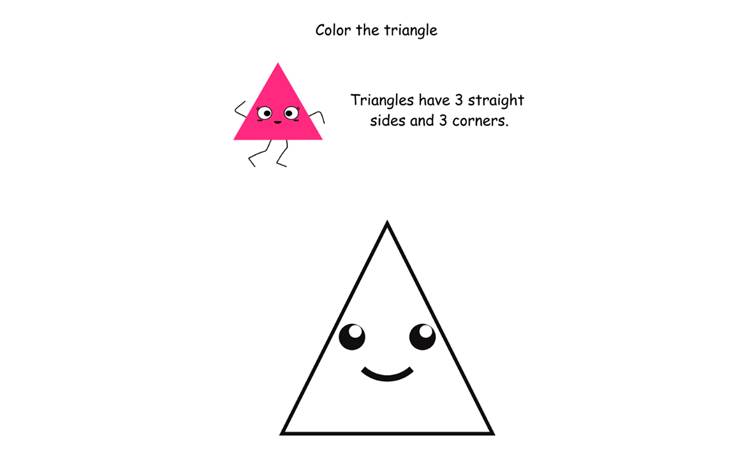
Shapes and colors form the foundation of many academic and life skills. When children learn to identify visual patterns, compare objects, and categorize items, they strengthen memory, attention, and logical thinking.
Harvard University’s Center on the Developing Child explains that early learning experiences help build strong brain architecture and long-term cognitive skills.
Key benefits of learning shapes and colors include:
- Improves early math and spatial awareness
- Enhances problem-solving and critical thinking
- Builds vocabulary and communication skills
- Encourages creativity and artistic expression
- Supports kindergarten readiness and confidence
These skills also help children understand their environment more clearly, making everyday learning easier and more meaningful.
How Shapes and Colors Worksheets Support Early Learning
Using shapes and colors worksheets for preschool helps children learn through repetition, visual cues, and hands-on practice. Worksheets provide structure while still allowing creativity and exploration.
Worksheets help children:
- Identify basic shapes such as circle, square, triangle, rectangle, and oval
- Recognize and name primary and secondary colors
- Match shapes and colors with real-world objects
- Strengthen fine motor skills through tracing and coloring
- Improve focus, patience, and independent learning
Printable worksheets are especially helpful for reducing screen time while promoting active learning.
Recommended Shapes and Colors Learning Activities
Worksheets are most effective when combined with play-based activities and real-world experiences.
Fun activities to pair with worksheets:
- Color sorting using toys or household objects
- Shape hunts around the home or classroom
- Tracing and coloring shapes
- Cut-and-paste shape matching
- Drawing real-life objects made from shapes
Early childhood research shows that play-based visual learning supports brain development and pattern recognition.
Types of Shapes and Colors Worksheets for Preschool
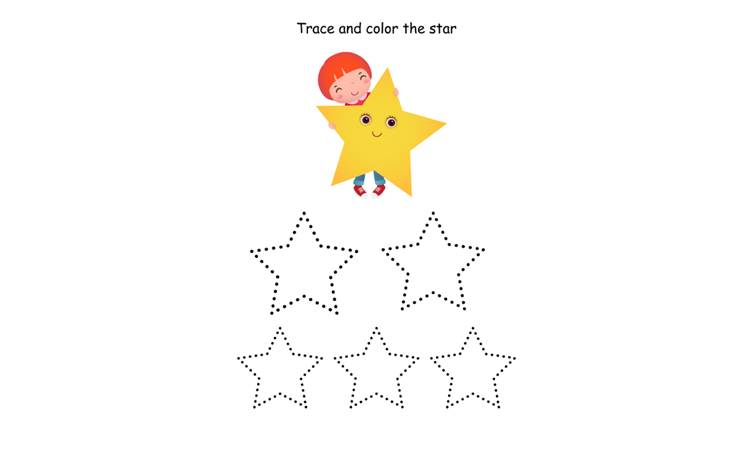
To maximize learning impact, use a variety of worksheet formats rather than repeating a single style.
Common worksheet types:
- Shape identification worksheets
- Color recognition and matching worksheets
- Shape tracing and coloring pages
- Mixed shapes and colors activity sheets
- Cut-and-paste sorting worksheets
- Real-world object matching pages
Using multiple formats reinforces skills through different learning styles, helping children retain information more effectively.
Tips for Using Shapes and Colors Worksheets Effectively
Best practices for parents and teachers:
- Start with 1–2 worksheets per day to avoid overwhelm
- Use bright, child-friendly visuals and large shapes
- Encourage children to say shapes and colors aloud
- Pair worksheets with real-life examples
- Celebrate effort and progress rather than perfection
Short, consistent practice sessions (10–15 minutes daily) are more effective than long, infrequent lessons.
How Parents and Teachers Can Reinforce Shapes and Colors Daily
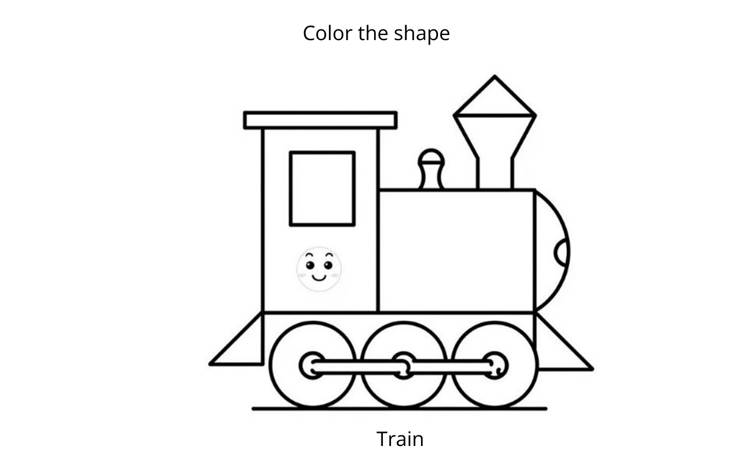
Learning should not stop after completing worksheets. Reinforcing shapes and colors in daily routines helps preschool children retain concepts faster and apply them naturally.
Parents can combine shapes and colors worksheets for preschool with everyday home activities. For example, during meals, ask children to identify the shape of a plate or the color of fruits and vegetables. During playtime, encourage sorting toys by shape or color. Outdoors, point out shapes in windows, wheels, road signs, and buildings.
Teachers can extend worksheet learning through classroom activities such as color scavenger hunts, shape-based art projects, group sorting games, and music activities. Reading picture books that highlight shapes and colors also strengthens recognition skills.
Everyday learning ideas:
- Name colors while getting dressed
- Identify shapes in household objects
- Play “Find the Color” or “Find the Shape” games
- Build patterns using blocks or Lego
- Encourage drawing using only specific shapes
When children experience concepts through seeing, touching, speaking, and playing, they develop deeper understanding and long-term retention.
Printable Shapes and Colors Worksheets for Preschool
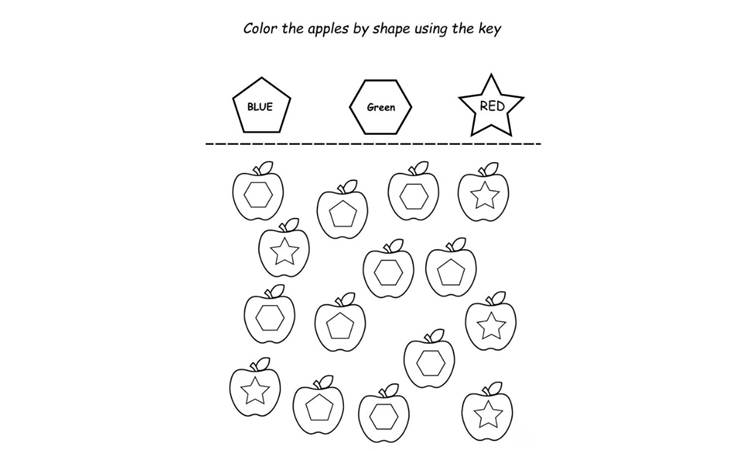
Our shapes and colors worksheets for preschool are designed to be:
- Suitable for ages 3–6
- Print-friendly and ink-saving
- Easy to follow with large, clear visuals
- Ideal for home learning, classrooms, and homeschooling
Includes:
- Shape recognition worksheets
- Color matching and identification pages
- Tracing worksheets
- Mixed practice activity sheets
These printables help children build confidence while keeping learning enjoyable.
Common Challenges When Teaching Shapes and Colors
Children may confuse similar shapes or colors at first. This is normal in early development.
How to support learning:
- Use real-life examples (e.g., “a clock is a circle”)
- Repeat activities using different formats
- Keep lessons playful and short
- Avoid pressure or forced memorization
- Allow mistakes as part of learning
A supportive environment helps children learn more confidently and comfortably.
Frequently Asked Questions (FAQ)
What age is best for shapes and colors worksheets?
Children benefit most from shapes and colors worksheets for preschool between ages 3 to 6.
How many worksheets should a preschooler do daily?
1–3 worksheets per day is ideal to maintain engagement without causing fatigue.
Should children learn shapes or colors first?
Both can be introduced together, starting with basic shapes and primary colors.
Are printable worksheets better than learning apps?
Printable worksheets encourage hands-on learning and reduce screen time, making them more suitable for preschool children.
Can worksheets replace hands-on activities?
No. Worksheets work best when combined with play, toys, books, and real-world interaction.
Disclaimer
These worksheets support early learning but do not replace personalized teaching or developmental guidance. Always adapt activities to match your child’s pace and learning style.