
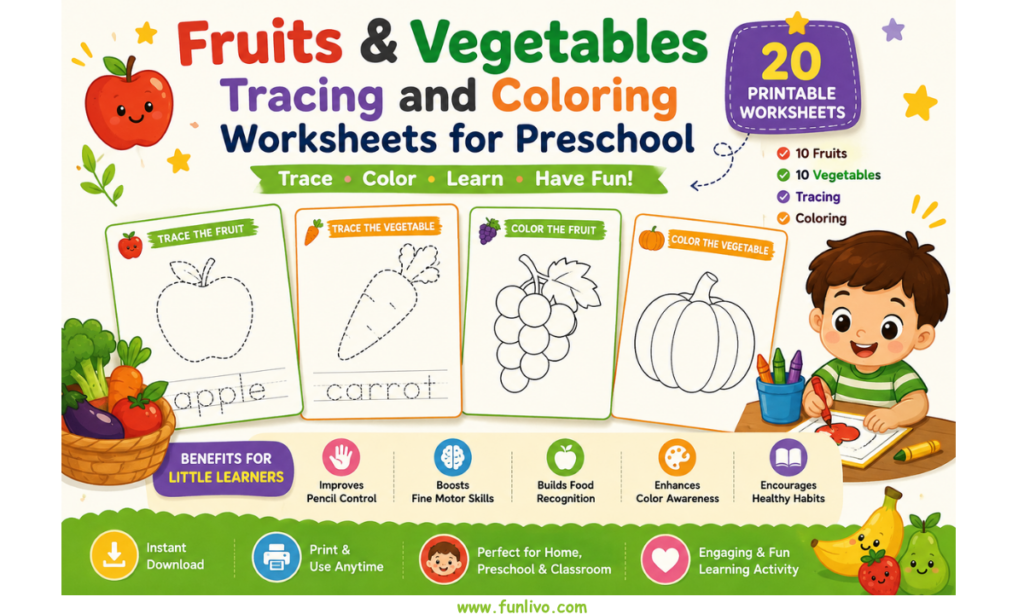
Fruits and Vegetables Tracing and Coloring Worksheets
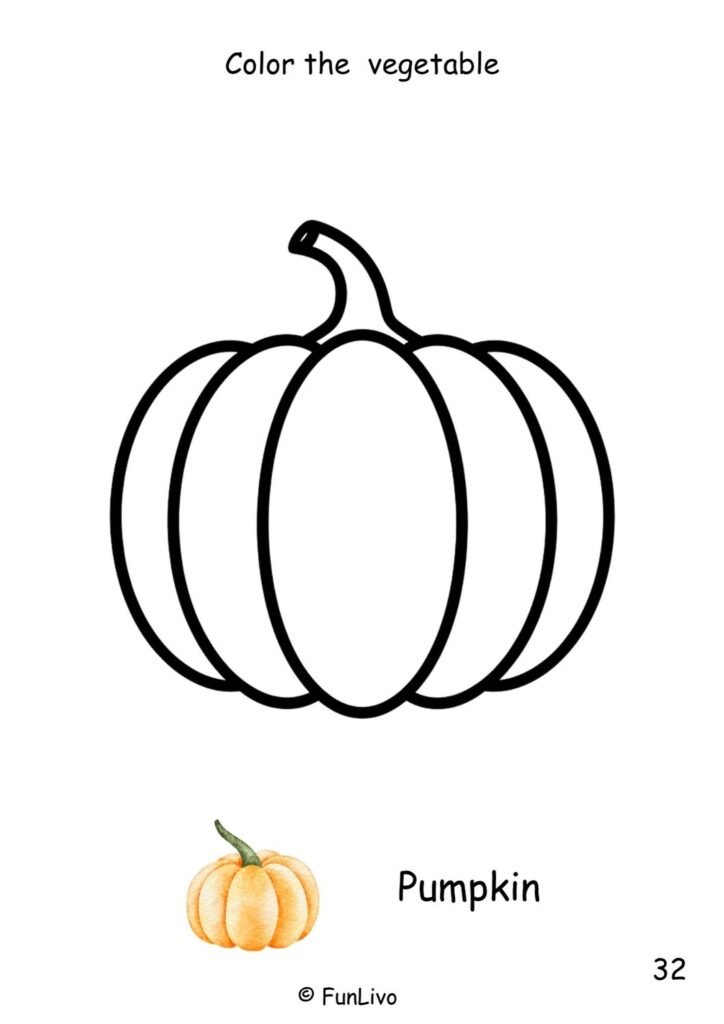
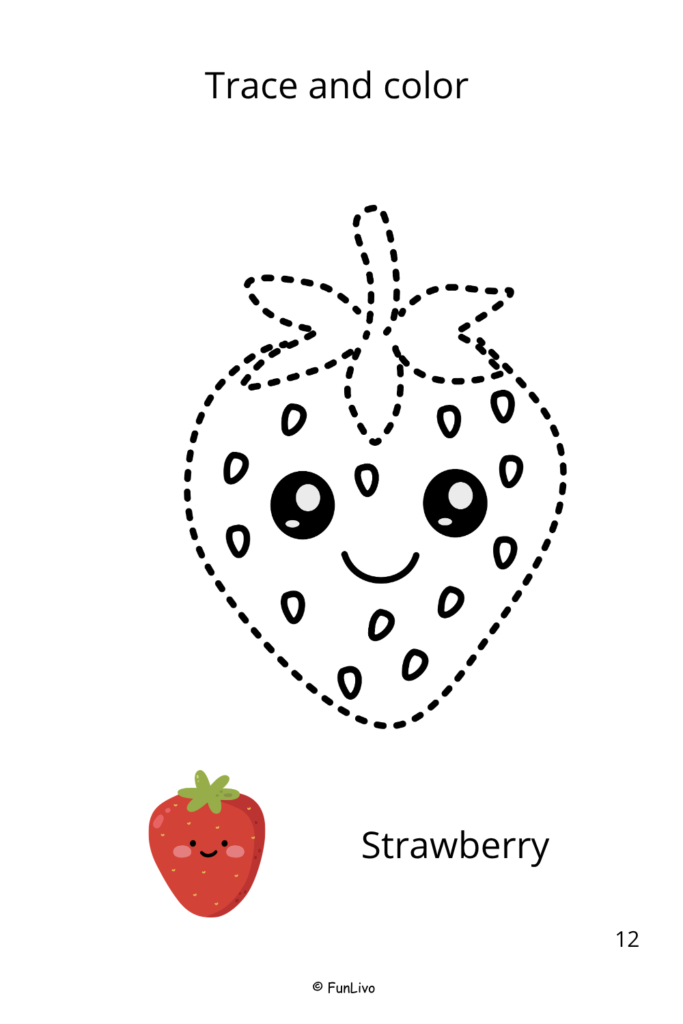
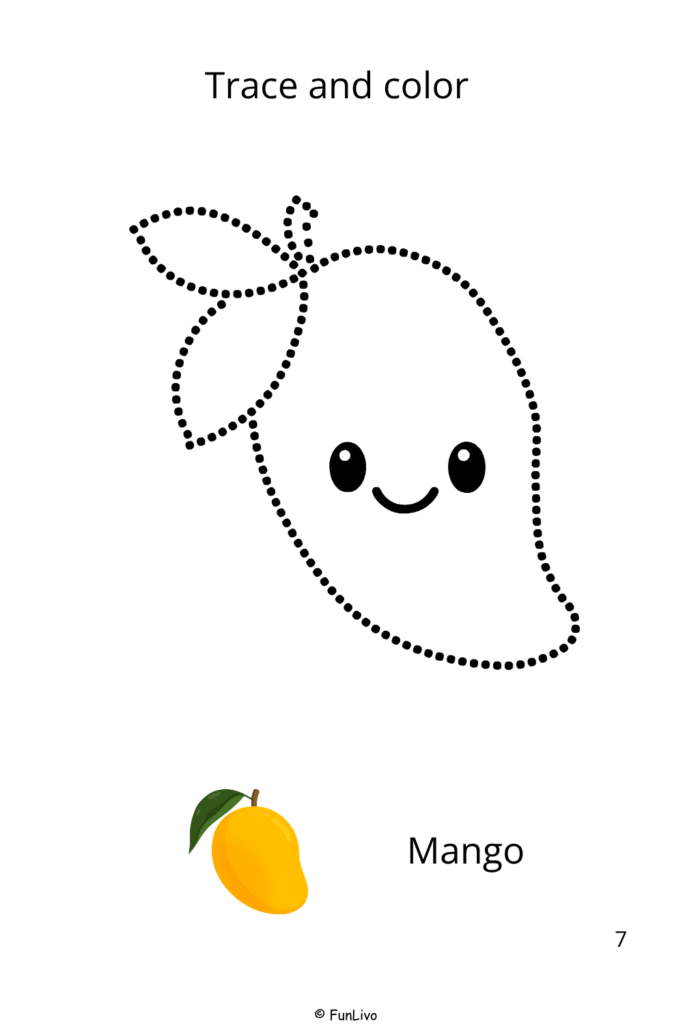
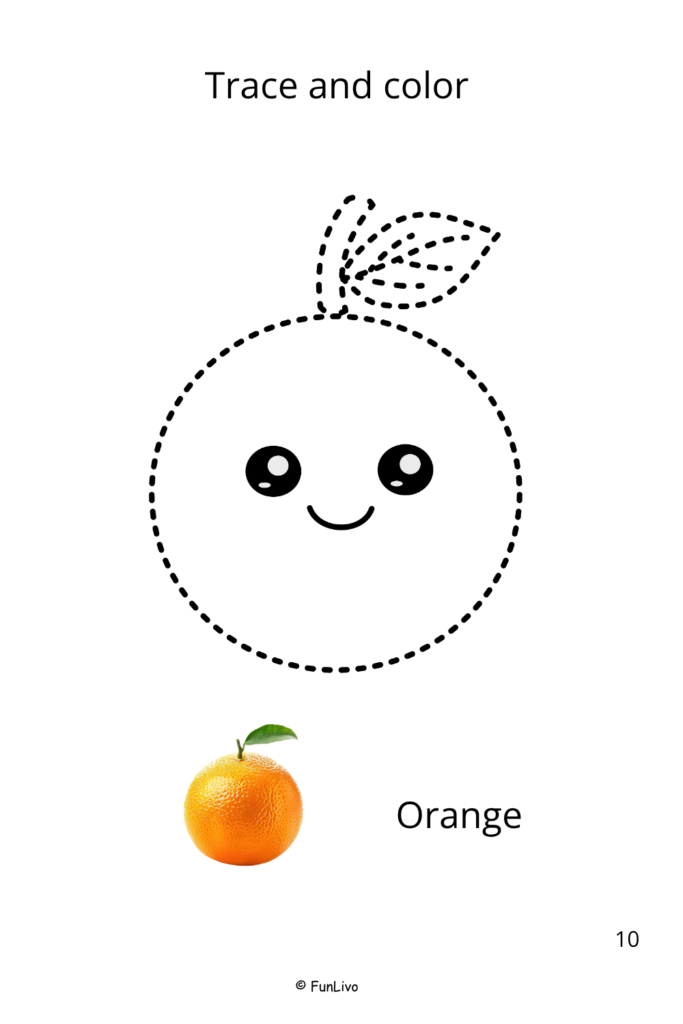
Learning about fruits and vegetables becomes more meaningful when children can see, trace, and color the foods they may recognize from everyday life. These Fruits and Vegetables Tracing and Coloring Worksheets for Preschool combine early writing practice with a fun food-learning theme, making them useful for preschool, kindergarten, homeschool, classroom, or quiet learning time at home.
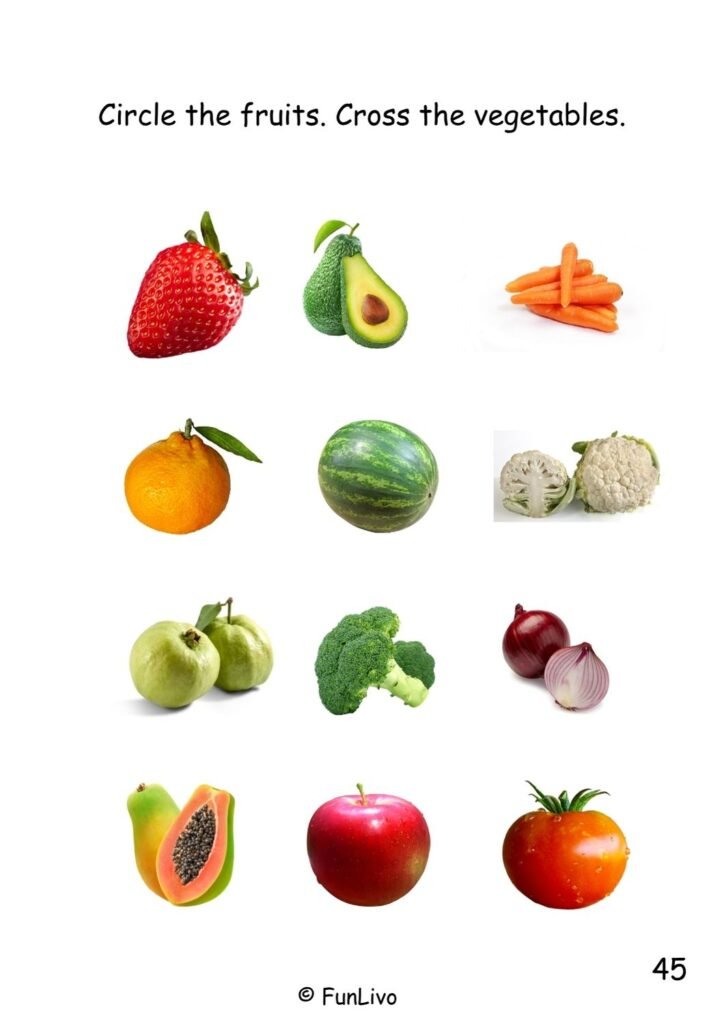
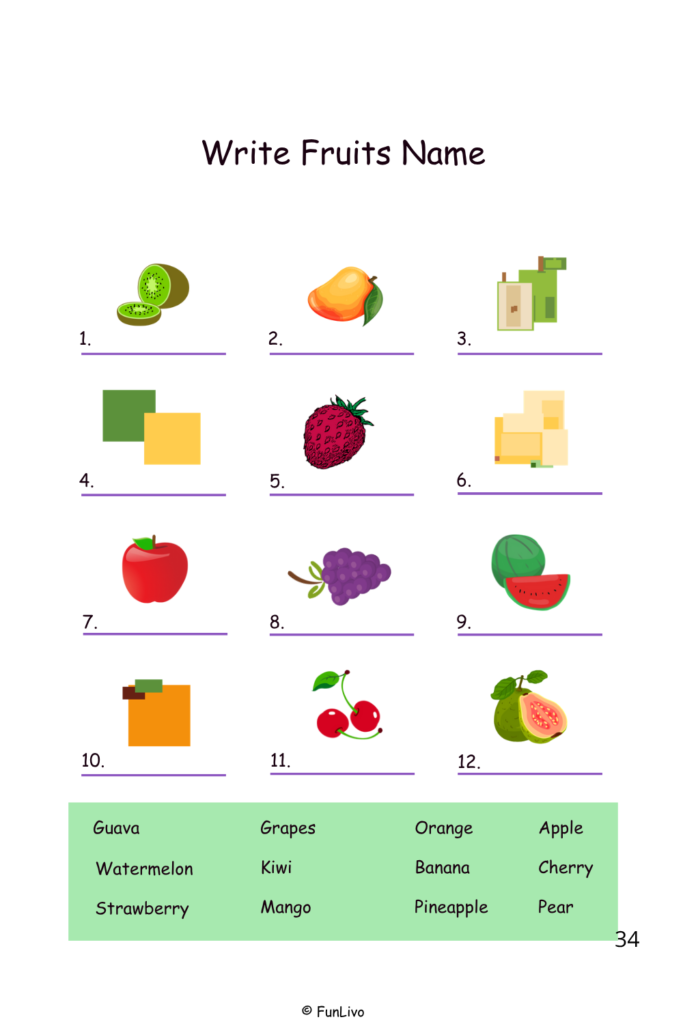
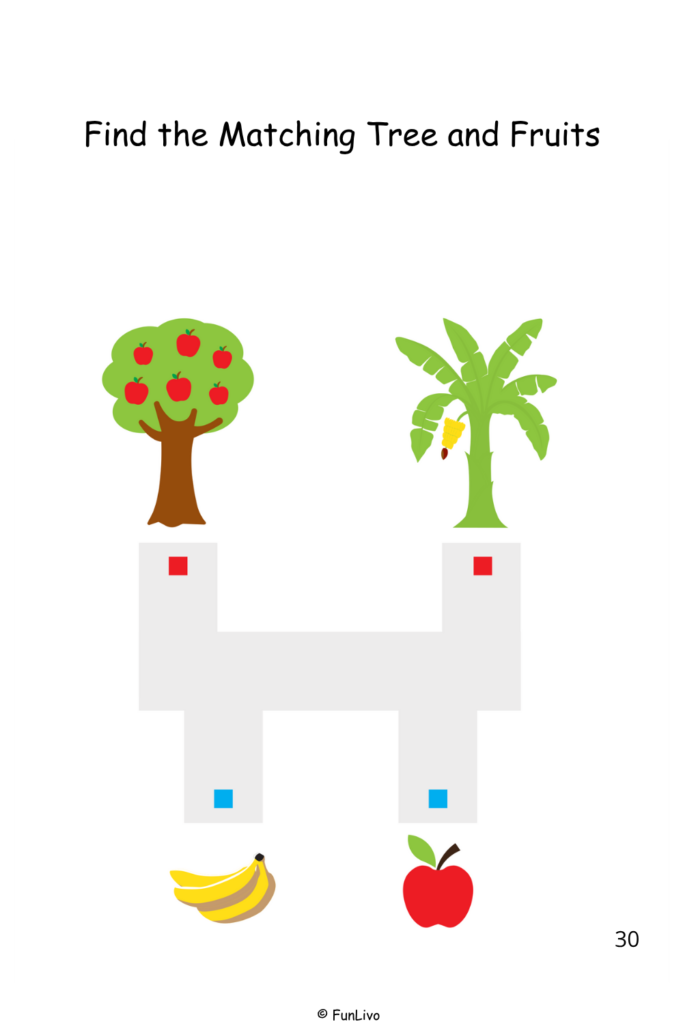
Young children can practice tracing simple shapes, lines, and fruit or vegetable names while also enjoying age-appropriate coloring activities. Printable fruit and vegetable worksheets commonly combine activities such as tracing, coloring, matching, naming, and recognition to help children learn food vocabulary in an engaging way.
Why Use Fruits and Vegetables Tracing and Coloring Worksheets for Preschool?
These worksheets are more than just coloring pages. They give children an opportunity to practice several early-learning skills through one familiar and enjoyable topic.
1. Build Fruit and Vegetable Recognition
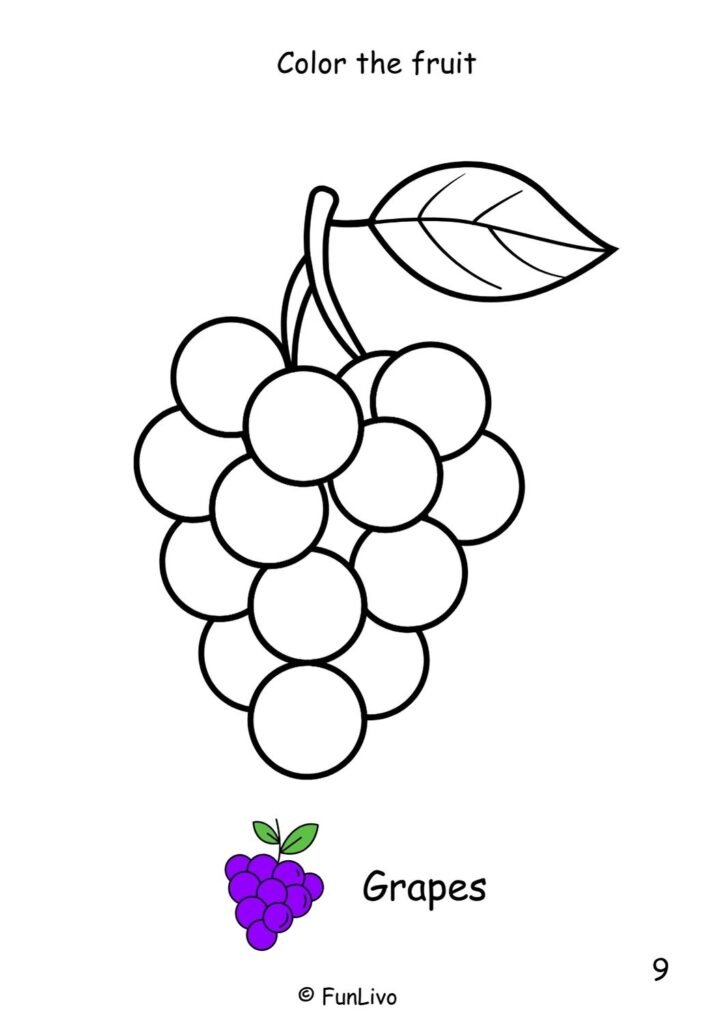
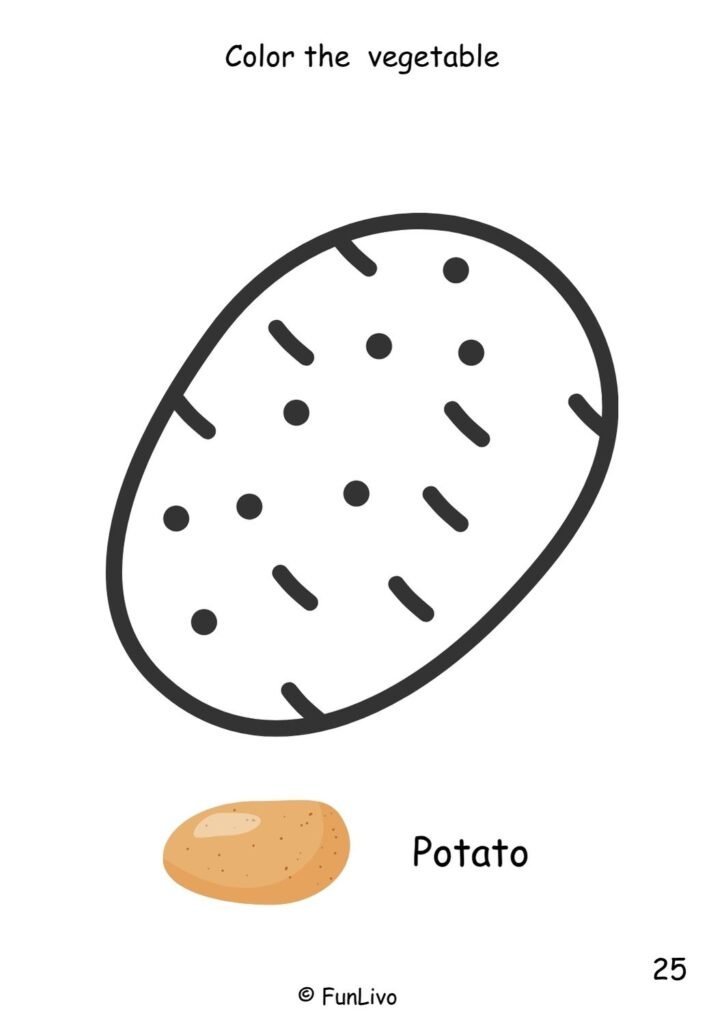
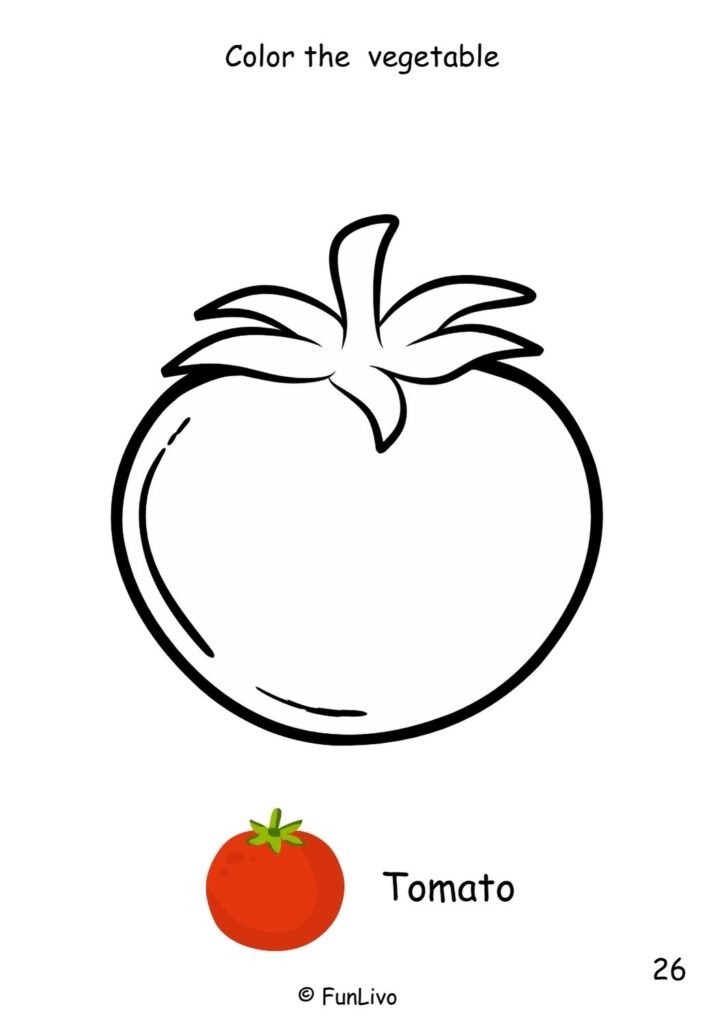
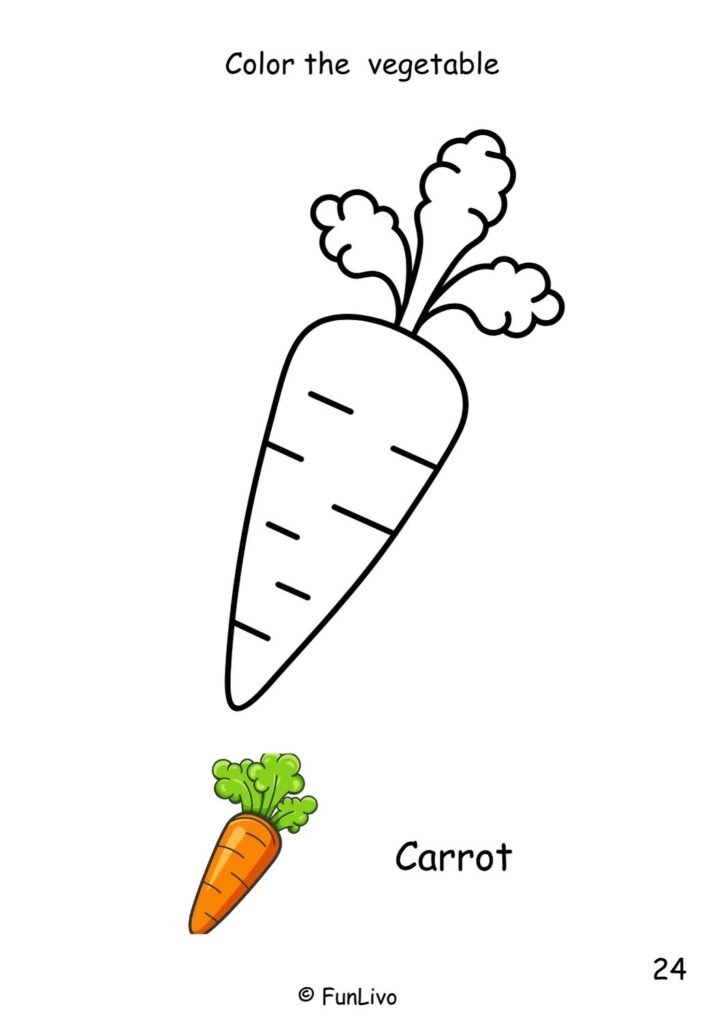
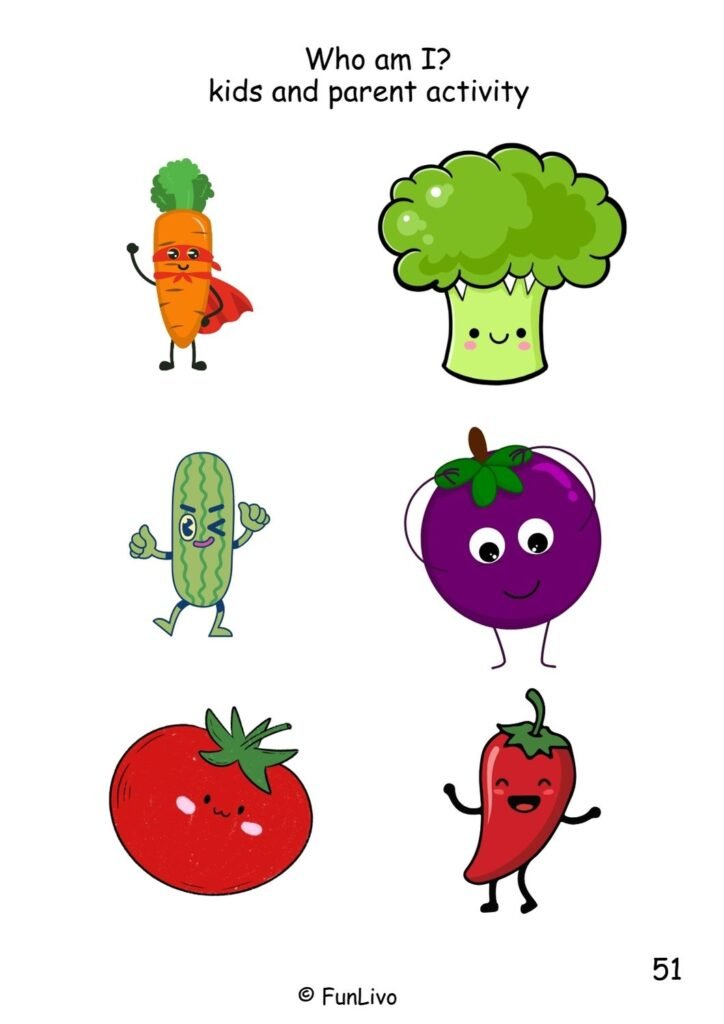
Children can become familiar with common fruits and vegetables such as apples, bananas, strawberries, grapes, carrots, tomatoes, broccoli, pumpkins, and more. Seeing the picture repeatedly while tracing and coloring can support visual recognition and help children connect the food with its name.
2. Strengthen Fine Motor Skills and Pencil Control
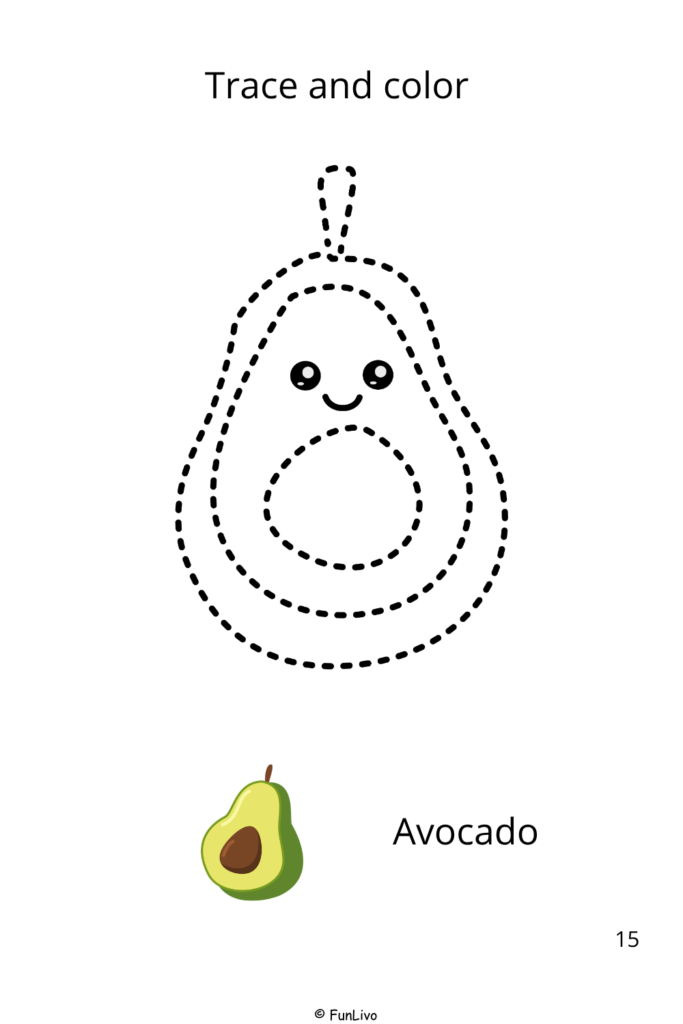
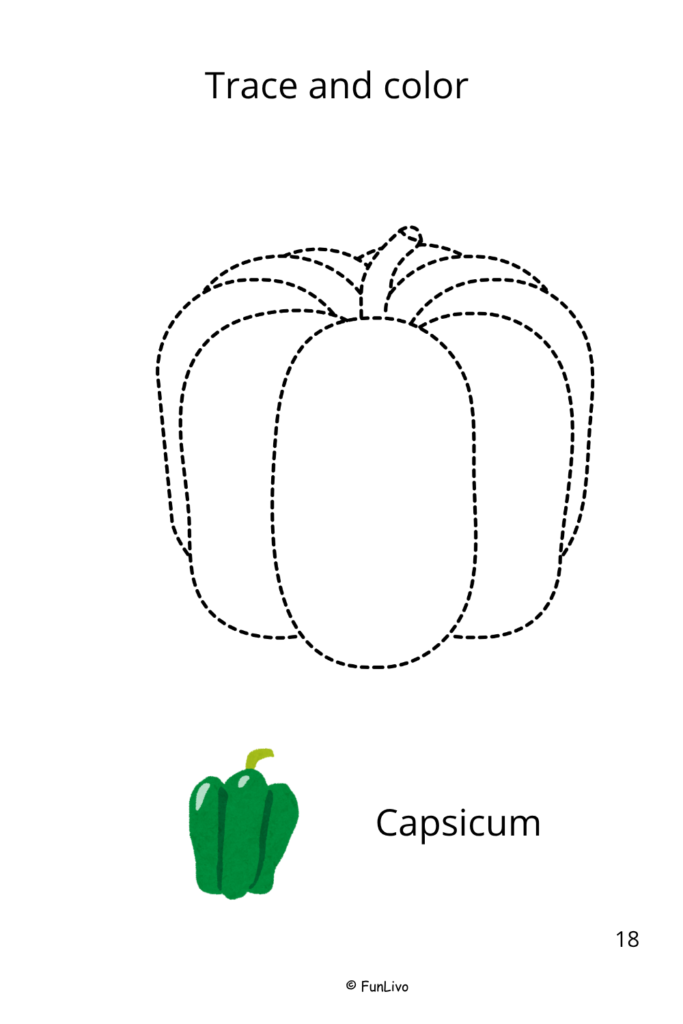
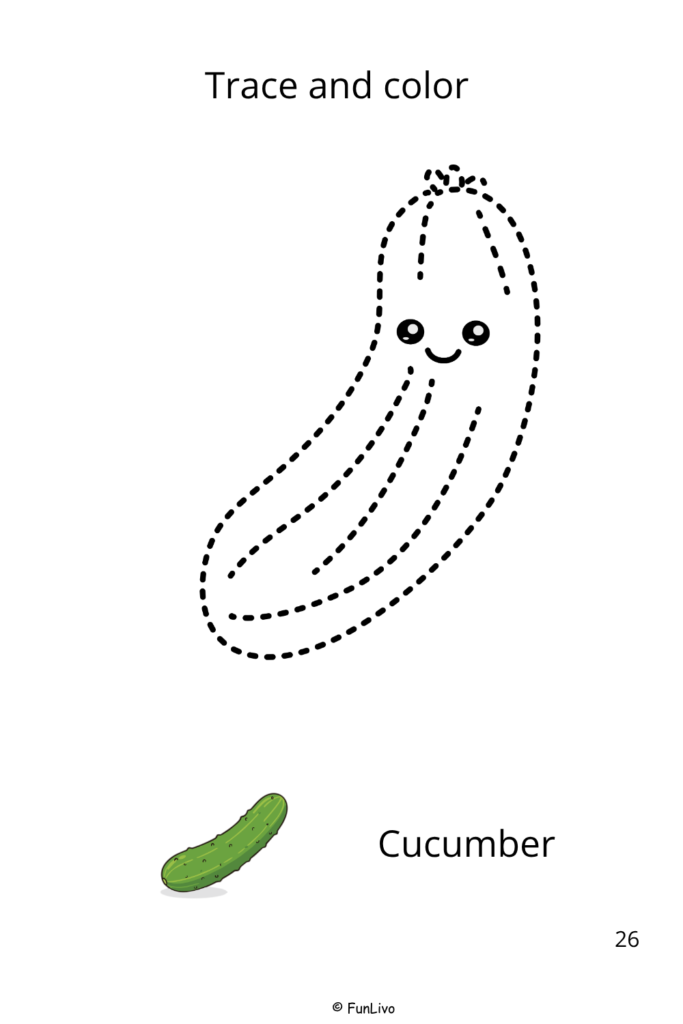
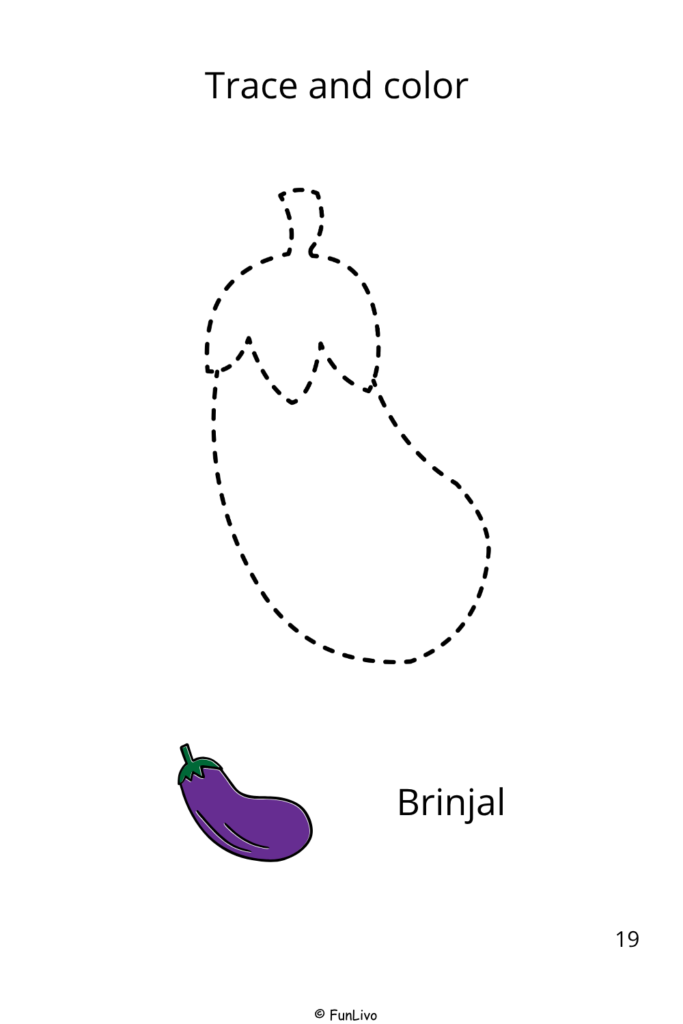
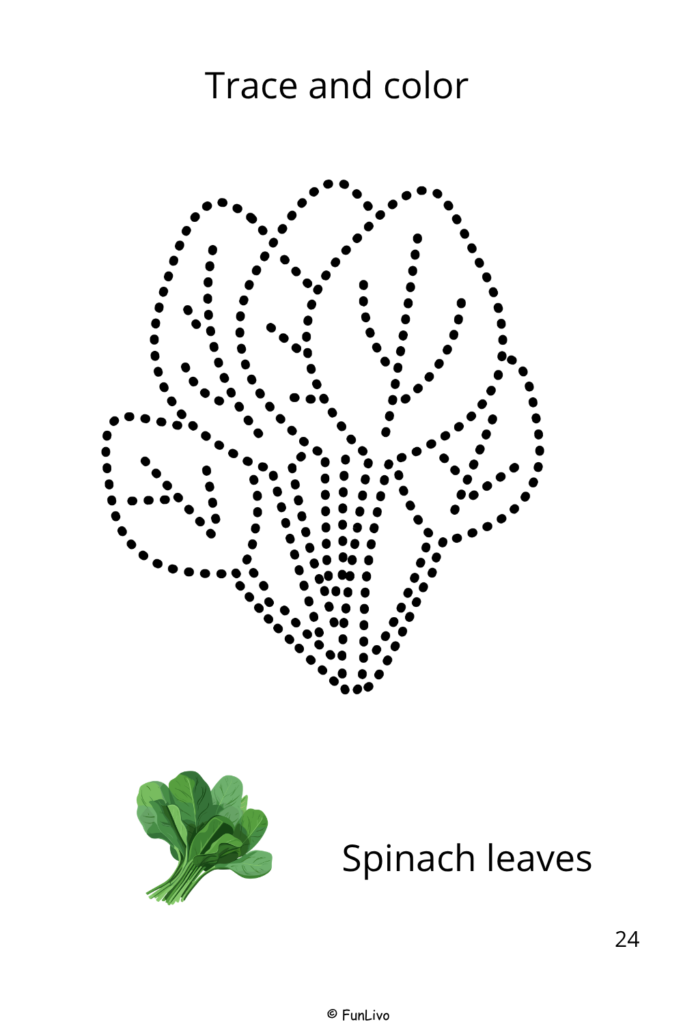
Tracing activities encourage children to control the movement of a pencil or crayon. Following lines, outlines, and simple patterns helps develop the hand control needed for future writing. Fruit and vegetable tracing resources specifically use tracing and coloring to support fine motor development, coordination, and early writing practice.
Coloring, drawing, and other hands-on activities give young children opportunities to strengthen the small muscles in their hands and improve coordination—skills that support later writing and everyday tasks.
3. Practice Colors and Color Recognition
Fruits and vegetables are naturally colorful, making them excellent subjects for early color-learning activities. Children can identify familiar colors while coloring an apple red, a banana yellow, a carrot orange, or broccoli green. This turns a simple coloring activity into an opportunity to talk about colors and real-world foods.
4. Develop Early Vocabulary
Adding fruit and vegetable names to worksheets gives children a simple way to build food-related vocabulary. Parents and teachers can encourage children to say the name aloud, trace the word, and match the word with the correct picture. This supports early language and pre-reading practice.
5. Encourage Healthy Food Awareness
Fruits and vegetables are familiar foods for many young children, so they provide an easy starting point for conversations about healthy eating. While a worksheet cannot create eating habits by itself, parents and teachers can use the activity to talk about trying different fruits and vegetables, recognizing foods, and including a variety of colorful foods in everyday meals.
What Can Children Practice?
These Fruits and Vegetables Tracing and Coloring Worksheetscan be used for:
- Fruit and vegetable identification
- Fruit names and vegetable names
- Tracing shapes and words
- Pencil control and pre-writing practice
- Fine motor skills
- Hand-eye coordination
- Color recognition
- Vocabulary development
- Visual recognition
- Healthy food awareness
- Creative coloring
- Independent learning
The combination of tracing and coloring is particularly useful for preschoolers because children get both pre-writing practice and creative activity in the same worksheet set.
How to Use These Printable Worksheets
Print the worksheets on A4 or Letter-size paper and let your child begin with the tracing activity. Encourage them to follow the lines slowly rather than focusing on speed. After tracing, children can color the fruit or vegetable using realistic colors or create their own colorful pictures.
You can also turn the activity into a short conversation: “What fruit is this?” “What color is it?” “Have you eaten it before?” These simple questions can make a printable worksheet into a small early-learning lesson.
These worksheets are suitable for preschool and kindergarten children, and they can also be used for homeschool activities, classroom centers, morning work, or extra practice at home. Similar printable resources are commonly designed for ages around 3–6.
Make Learning About Food Fun
Children learn best when learning feels like play. With fruits and vegetables tracing worksheets, coloring pages, and simple recognition activities, parents and teachers can introduce food vocabulary while supporting early writing and fine motor development.
These printable fruits and vegetables worksheets are a simple screen-free activity for preschoolers who are learning to trace, recognize, name, and color familiar foods.
Frequently Asked Questions About Fruits and Vegetables Tracing and Coloring Worksheets
What age are fruit and vegetable worksheets suitable for?
These worksheets are especially suitable for preschool and kindergarten children, generally around ages 3–6, depending on the child’s skill level.
What skills do fruit tracing worksheets develop?
Fruit tracing worksheets can support pencil control, fine motor skills, hand-eye coordination, early writing practice, and visual recognition.
Can these worksheets be used at home?
Yes. Parents can use printable fruit and vegetable worksheets for short learning sessions at home, while teachers can use them for preschool and kindergarten classroom activities.
Are these coloring worksheets educational?
Yes. Along with creativity, coloring can support color recognition, fine motor practice, focus, and visual learning, especially when combined with tracing and vocabulary activities.
Want More Fun Learning and Practice
1. Fruits & Vegetables Coloring Activity Book for Kids
A fun coloring book for ages 3–6 with fruits and vegetables.
₹49