
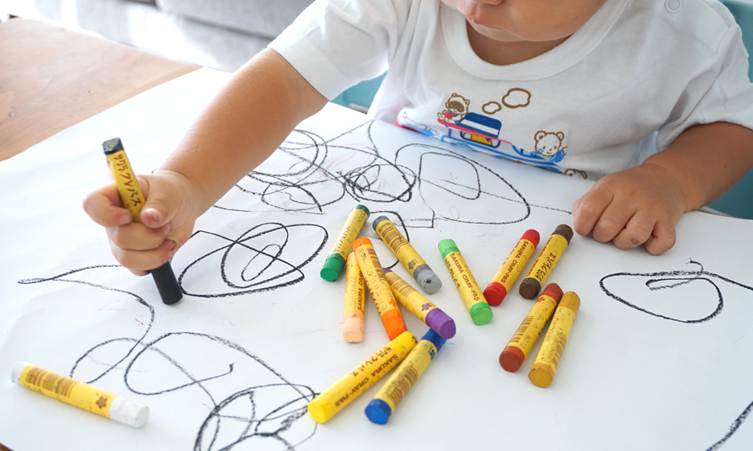
If you have a kindergarten child at home, you already know how important those first alphabet lessons feel. Printable alphabet worksheets for kindergarten pdf can turn that big task into small, happy moments your child actually looks forward to. With simple tracing, coloring, and matching activities, these pages help little hands and young minds practice letters in a fun, low‑pressure way that fits into your real life as a busy parent.
Why Alphabet Worksheets Matter in Kindergarten
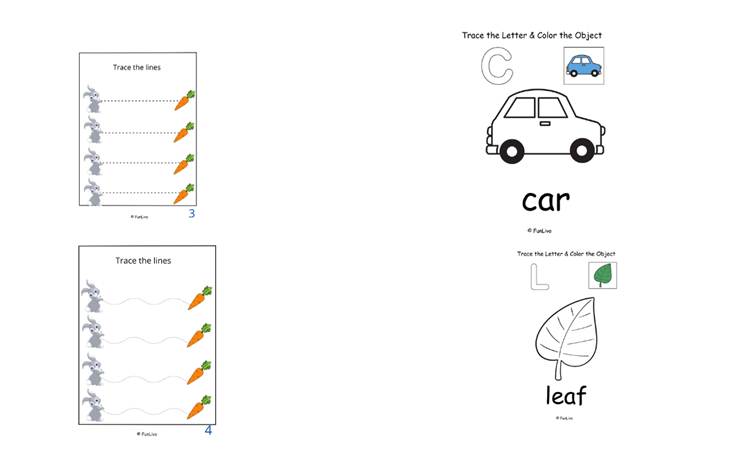
You want your child to recognize letters, hold a pencil correctly, and feel confident when they write their name. Alphabet worksheets give you a clear, step‑by‑step path to build those skills. India’s National Education Policy 2020 emphasises foundational literacy and numeracy in early years” to the NCERT or government FLN/NEP document.
- They break A to Z into short, repeatable practice sessions.
- Kids see and hear each letter many times, which builds strong memory.
- You can repeat pages as often as needed without guessing what to do next.
Used regularly, printable alphabet worksheets for kindergarten pdf become a simple home routine that supports what your child learns in school or preschool.
The Common Struggle Parents Face
Maybe you scroll through social media, save cute activities, and still end the day wondering if you did enough learning time. You want your child away from screens, but planning activities from scratch is exhausting.
You might buy random workbooks that are either too easy, too hard, or too boring, and your child refuses to finish them. It is normal to feel guilty and overwhelmed when every resource claims to be “perfect” for kindergarten.
How Printable Alphabet Worksheets Can Help
A well‑designed set of printable alphabet worksheets for kindergarten pdf removes the guesswork for you. Instead of hunting for ideas each day, you can print a few pages, sit with your child for 10–15 minutes, and know you are covering the right skills. Over time, this steady, simple routine builds letter recognition, pencil control, and confidence without turning your evenings into a teaching jo
Key Skills Your Child Builds
Good alphabet worksheets are much more than “busy work.” They quietly build several early‑learning skills at once.
- Letter recognition – seeing each letter in uppercase and lowercase, in words and alone.
- Sound awareness – linking letters to beginning sounds using pictures and simple words, a core part of early literacy.
- Fine motor skills – tracing lines, curves, and shapes that train the muscles needed for neat handwriting.
- Hand‑eye coordination – following dotted lines and staying inside coloring spaces.
- Focus and stamina – finishing a short page gives a sense of completion and gently trains attention.
Research in early literacy shows that frequent, short practice with letters and sounds is more effective than occasional long sessions, which is exactly how printable worksheets are designed to be used.
International research on foundational literacy shows that frequent, short practice with letters and sounds using age‑appropriate print materials builds stronger early reading skills than occasional long drills.
What to Look for in Alphabet Worksheets
Not all printables are created equal. When you choose a printable alphabet worksheet for kindergarten pdf pack, look for:
- Clean, uncluttered pages so your child is not distracted by too many elements.
- Large tracing letters with arrows or dots that show stroke order.
- Simple images that clearly match each beginning sound.
- Progression from easy to slightly harder tasks across the pack.
- Room for independent work but also space where you can guide your child.
Avoid pages crammed with tiny graphics or tiny text; young kids need big, clear shapes and plenty of white space to stay calm and focused.
How to Use Alphabet Worksheets in Your Daily Routine
You do not need a perfect homeschool schedule. A light, consistent routine works best.
- Choose a regular time: after school, after snack, or just before bedtime reading.
- Start with one page per day and keep it relaxed; stop before your child gets tired.
- Say the letter name and sound together before tracing.
- Let your child color the pictures after the tracing work as a small reward.
- Repeat tricky letters on another day instead of pushing too hard in one sitting.
Many families find that a 10–15 minutes worksheet routine, three to five days a week, is enough to see clear progress over a few months.
Making Worksheets Fun, Not Boring
Young kids learn best when they are playing. Turn your printable alphabet worksheets for kindergarten pdf into small games.
- Use colored pencils or crayons and let your child choose “today’s color.”
- Hide the printed page under a book and let your child “discover today’s secret letter.”
- After tracing, ask your child to hunt around the room for an object that starts with that letter.
- Put finished pages into a simple folder or binder so your child can proudly flip through “my alphabet book.”
These small touches transform a normal worksheet into a moment of connection rather than a chore. Early‑childhood educators often recommend combining paper tasks with movement and play to keep motivation high.
Common Challenges and Simple Fixes
Even with great worksheets, a few problems are normal.
- Child refuses to start: Keep the first few sessions under 5 minutes and let your child choose the letter or crayon color to feel some control.
- Messy or rushed tracing: Use thicker markers initially and let your child trace over the same letter two or three times instead of demanding perfection.
- You miss days: Treat the routine like brushing teeth; if you skip once, simply start again next day without guilt or long lectures.
FAQs About Printable Alphabet Worksheets for Kindergarten
1. How many pages should my child do per day?
For kindergarten, 1–2 short pages a day is enough. The goal is steady practice, not finishing the entire pack quickly.
2. Can I use these worksheets with preschoolers?
Yes, just choose pages with larger letters and more coloring than writing, and keep sessions very short.
3. How should I print and store the worksheets?
Print a small batch at a time, use a simple folder or binder, and keep completed pages as an “alphabet portfolio” your child can revisit.
4. How do I know if a worksheet is too hard?
If your child looks tense, squeezes the pencil tightly, or avoids the page, step back to simpler tracing or coloring versions of the same letter.
5. Can I use digital tablets instead of printing?
You can load the pdf into a tablet for reading but for many children, real pencil‑and‑paper writing still builds better fine motor strength.
6. Can these activities be reused?
Yes! Laminate and use dry-erase markers to save paper and repeat practice.
Conclusion
Printable alphabet worksheets for kindergarten pdf give you a simple, proven way to support your child’s early reading and writing at home. With just a few minutes a day, your child can practice A to Z in a playful, structured way while you feel confident that you are building real skills, not just filling time. When worksheets are chosen carefully and used gent
Examples of Our Reusable Alphabet Worksheets Printables for Kids
These are available for instant download & home printing:
Pre-Writing & Uppercase Letter Coloring Workbook for Kids Ages 2–4
Uppercase Alphabet Object Coloring Book for Preschool (Ages 2–4)
Alphabet (uppercase and lowercase) Line Tracing Workbook for Kids (Ages 3-6)
ABC Alphabet Coloring Book for Kids
How Parents & Teachers Can Use Printables Daily
Short, consistent practice is more effective than long sessions.
Recommended routine:
• 10–15 minutes a day → strong progress over weeks
• Use erasable markers to repeat the same sheet
• Combine with real toys: crayons, blocks, beads
• Create a weekly rotation: tracing → coloring → cutting
Kids learn best with fun hands-on experiences, not screens.
Make Your Printables Reusable (Save Paper + Money)
A small setup that lasts years:
• Laminate worksheets or use reusable dry-erase sleeves
• Store in a folder as “weekly activity book”
• Clean easily with tissue or wipe
• Reuse for younger siblings or in learning centers
Perfect for homeschool, preschools
Disclaimer: These worksheets support general learning practice and are not a substitute for professional educational or developmental guidance.