Body Parts Worksheets for Preschool Kids
Learning about body parts is one of the first things children learn about themselves. Preschoolers are naturally curious about their eyes, ears, nose, hands, feet, and other parts of the body. Simple activities and worksheets can make this learning easier, more interactive, and fun.
These body parts worksheets for preschool kids are designed for young learners who are beginning to recognize and name common body parts. They can be used at home, in preschool, nursery, LKG, or kindergarten classrooms.
Why Should Preschoolers Learn Body Parts?
Learning body parts is more than just memorizing words. It helps children understand their own bodies and communicate about them.
For example, a child should gradually be able to understand simple instructions such as:
- “Touch your nose.”
- “Show me your ears.”
- “Where are your hands?”
- “Point to your eyes.”
- “Which body part do we use to walk?”
Simple conversations like these help children connect new words with the parts they see and use every day.
Common Body Parts to Teach Preschoolers
You do not need to teach every body part at once. Start with familiar and easy-to-recognize parts.
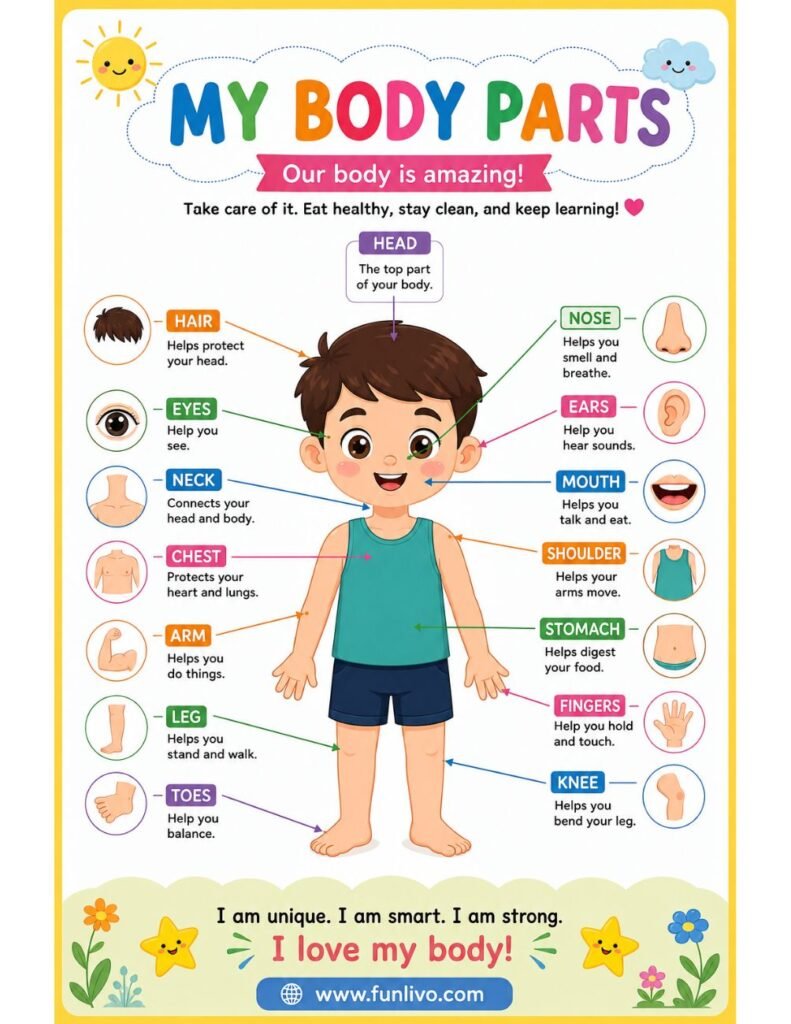
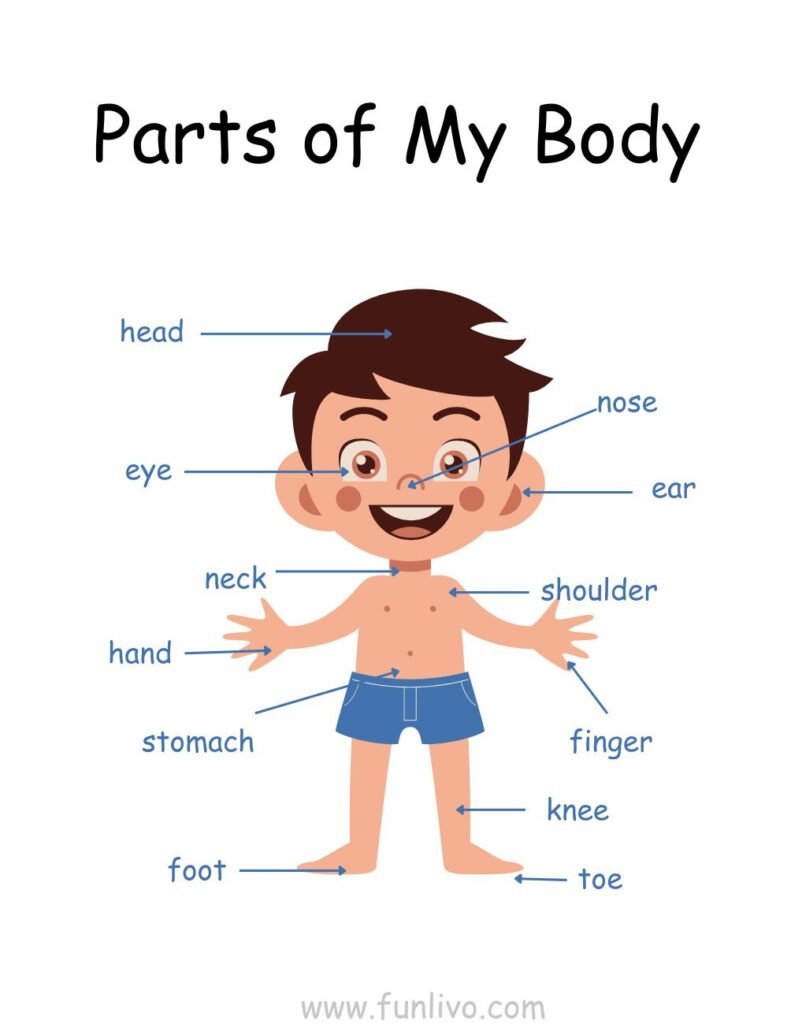
Some common body parts for preschool learning include:
- Head
- Eyes
- Ears
- Nose
- Mouth
- Hands
- Fingers
- Arms
- Legs
- Feet
- Toes
- Hair
Once children are comfortable with these, you can gradually introduce more body-part vocabulary.
Fun Ways to Teach Body Parts to Preschoolers
Worksheets are useful, but children learn best when they can also move, talk, point, and play.
Here are a few simple body parts activities you can try.
1. Point and Name
Ask the child to point to a body part as you name it.
Say, “Where is your nose?” and let the child point to their nose. Then switch roles and ask the child to name the body part.
2. Sing a Body Parts Song
Songs with actions are a simple way to help young children remember body-part names. Children can touch or move each body part while singing.
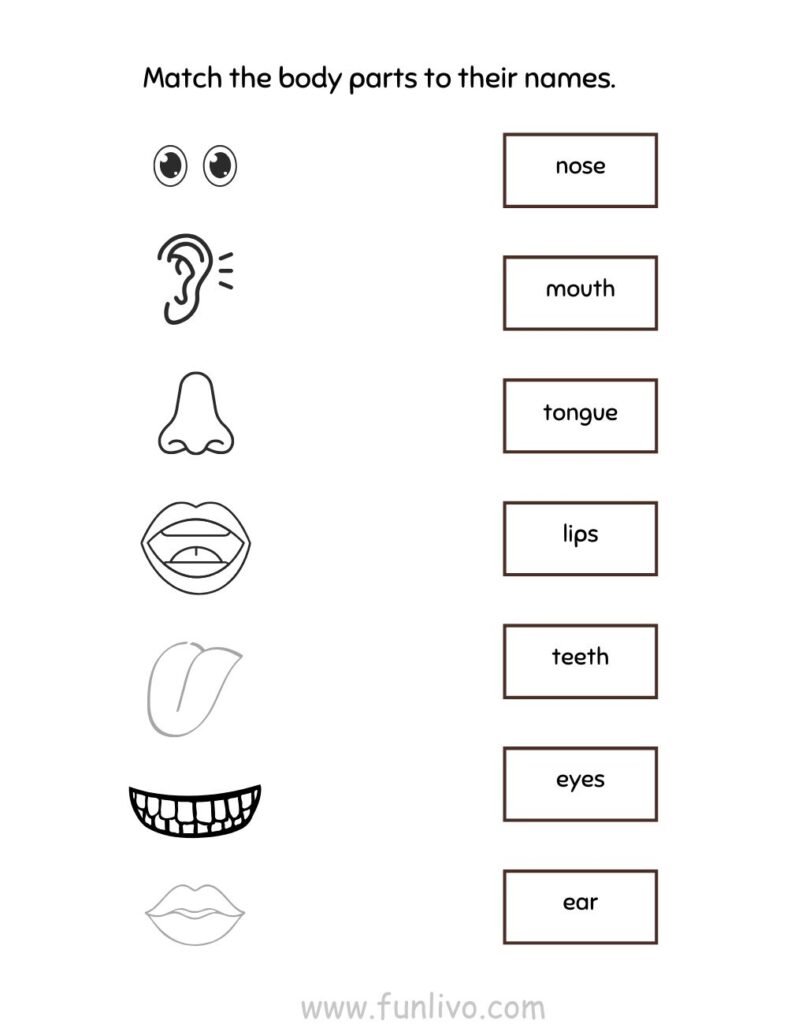
3. Body Parts Matching
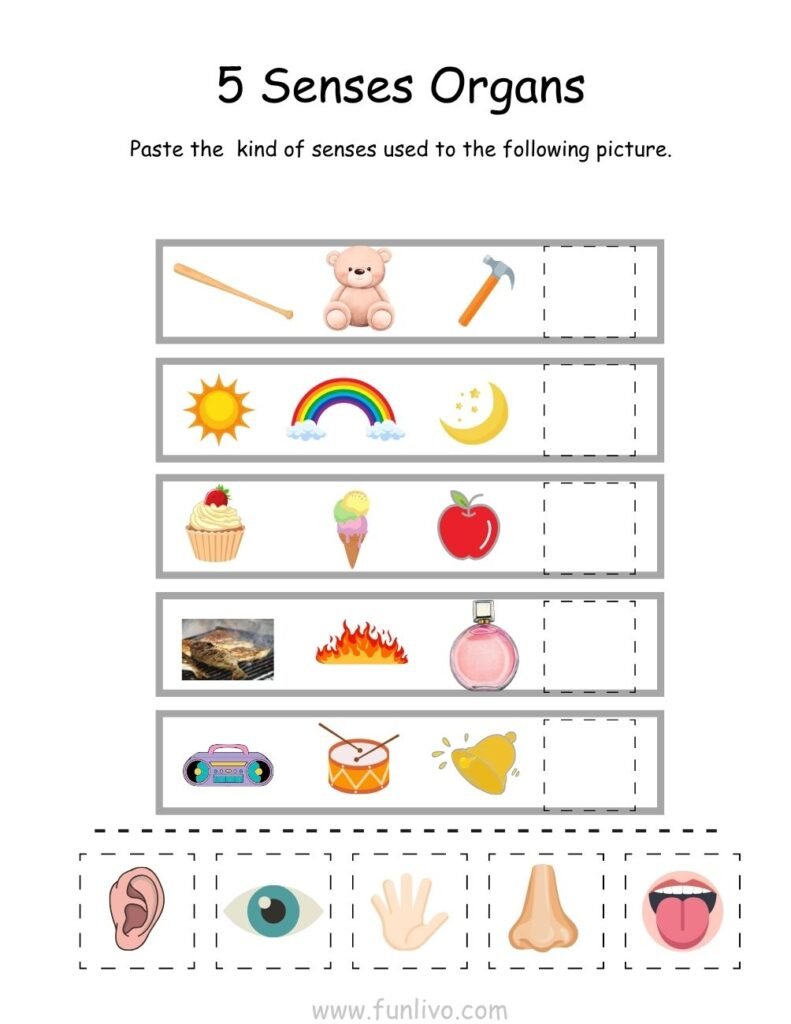
Give children pictures of body parts and ask them to match them with the correct picture or word. Matching activities are especially helpful for children who are just beginning to recognize different body parts.
4. Body Parts Coloring
Coloring pictures of eyes, ears, hands, feet, and other familiar body parts gives children another opportunity to look closely at each part while learning its name.
5. Body Parts Worksheets
Once children have some familiarity with the topic, worksheets can provide extra practice. They can work on identification, matching, tracing, coloring, and other simple activities according to their age and ability.
Learning body parts can begin through simple everyday activities such as pointing, naming, songs, and movement. The CDC recommends activities such as asking children to point to body parts and using songs like “Head, Shoulders, Knees, and Toes” to help them learn body-part names.
Body Parts Worksheets for Preschool Kids
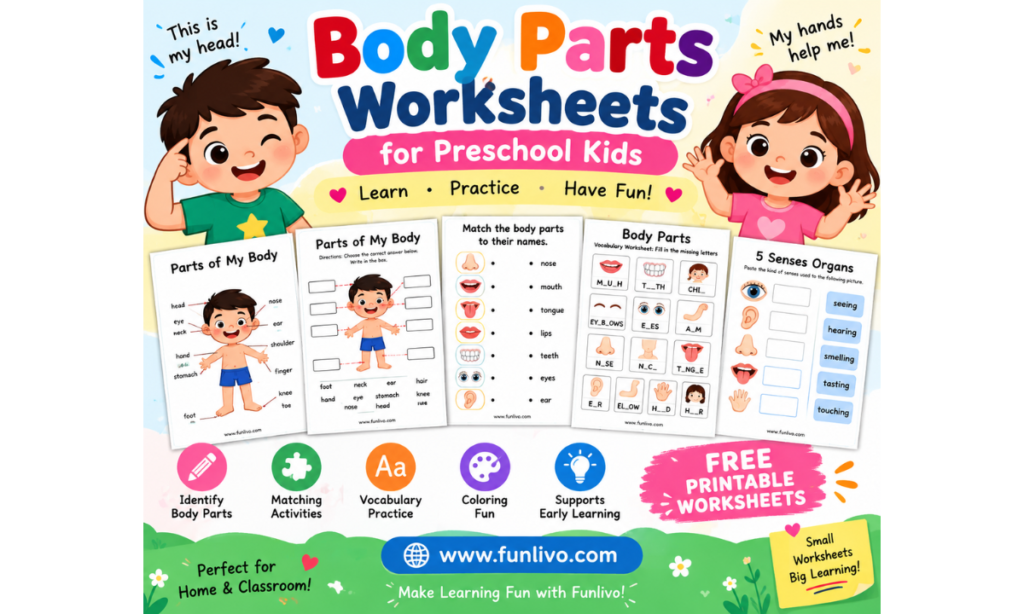
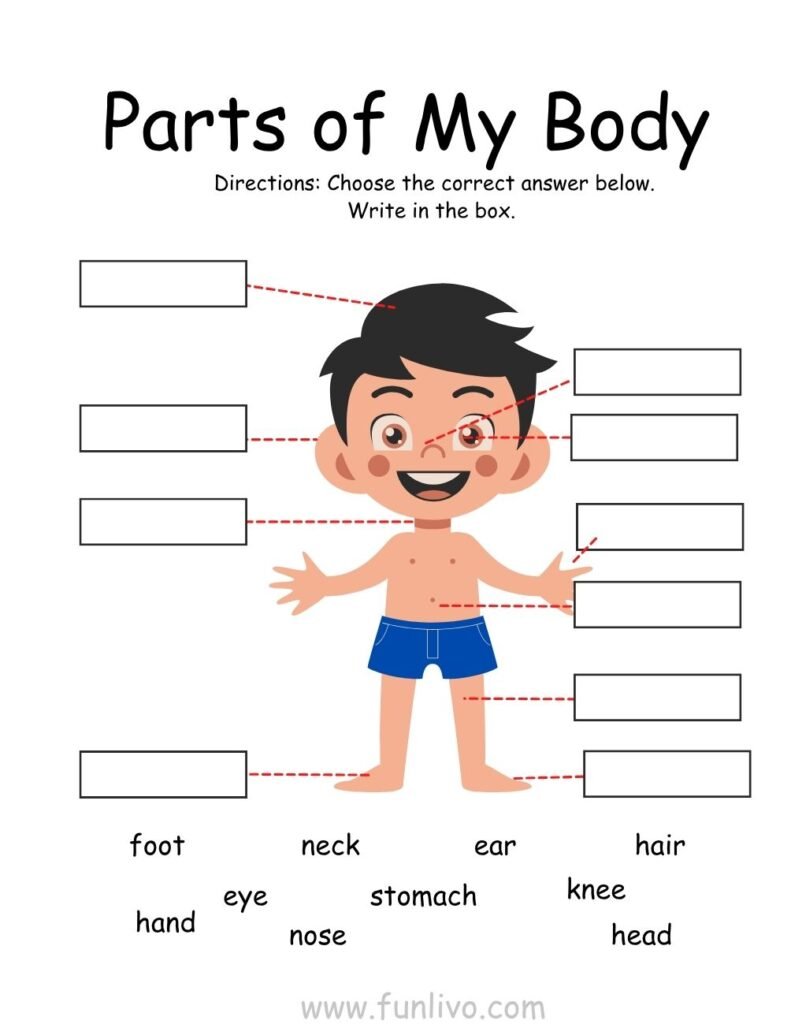
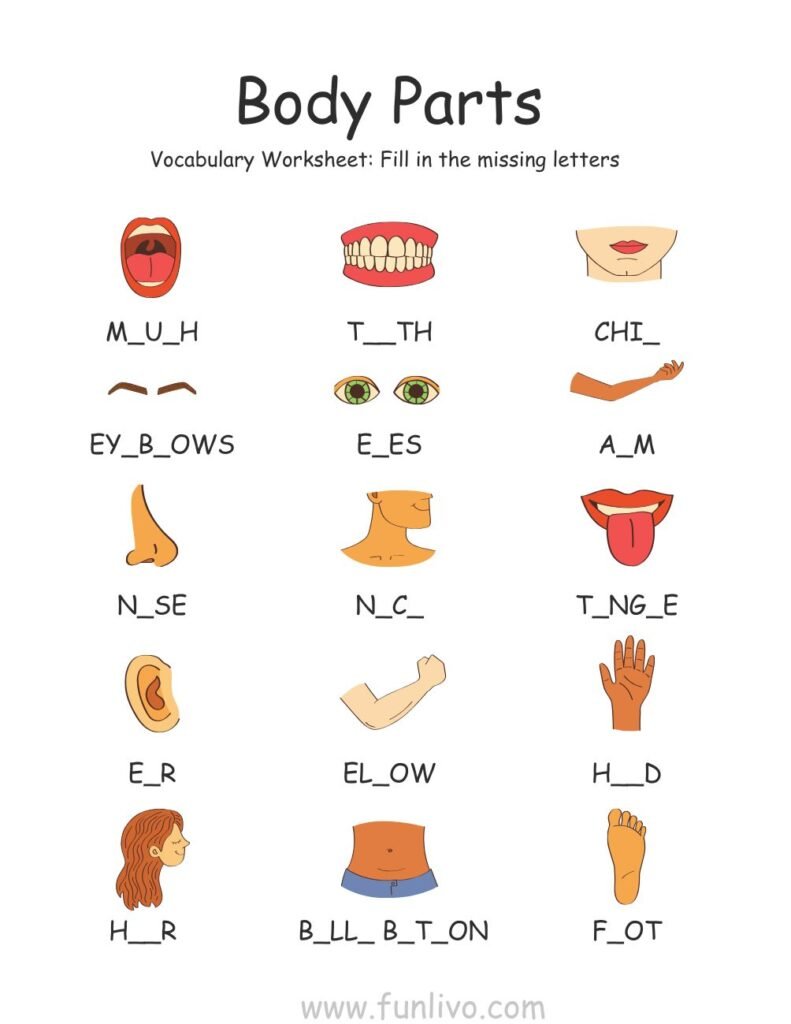
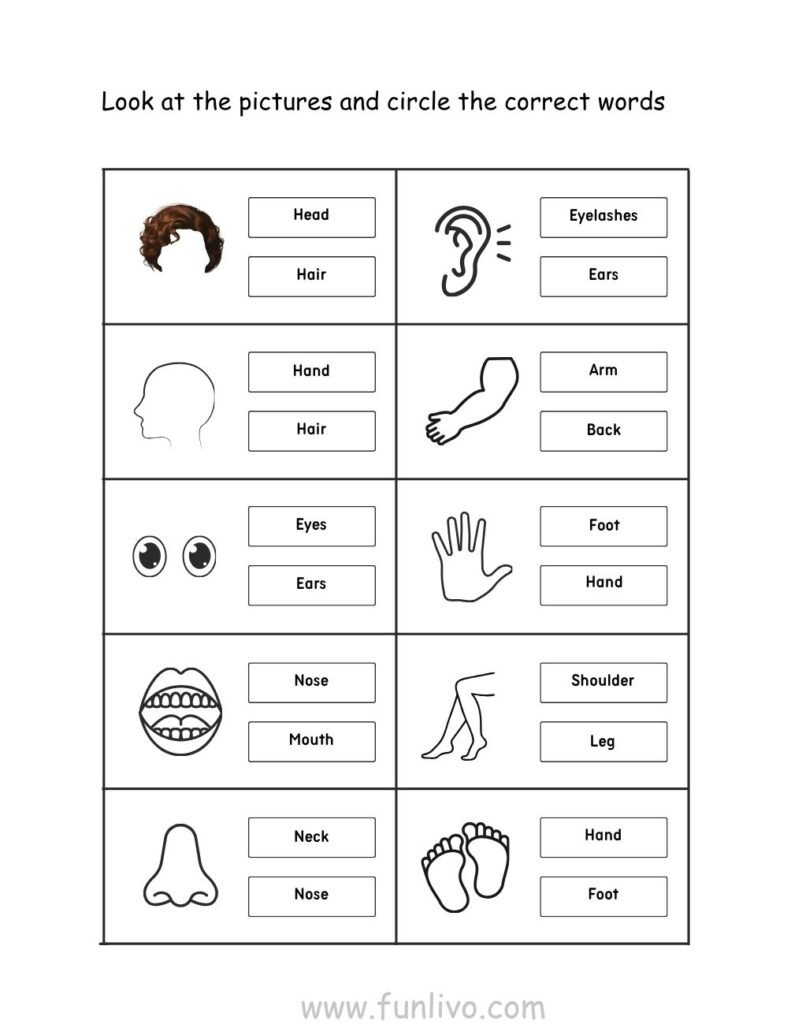
We have a collection of simple body parts worksheets for preschool kids that can be used for practice at home or in the classroom.
The worksheets cover familiar body parts and use child-friendly activities to make learning easier. Instead of expecting children to memorize a long list of words, you can introduce a few body parts at a time and give them repeated opportunities to recognize them.
What Can Children Practice?
Depending on the worksheet, children can practice:
- Identifying common body parts
- Matching pictures
- Recognizing body-part names
- Coloring body parts
- Tracing simple words
- Following simple instructions
- Connecting pictures with the correct answers
These activities can be introduced gradually, depending on the child’s age and learning level.
Body Parts Worksheets for Nursery and LKG
For younger children, keep the activities simple. Start with very familiar body parts such as eyes, ears, nose, mouth, hands, and feet.
For Nursery, picture-based activities, matching, coloring, and simple identification can work well.
For LKG, you can gradually add tracing, labeling, and simple recognition activities.
The goal is not to make children complete difficult worksheets. The goal is to give them enough practice to recognize the body parts and understand the words.
How to Use Body Parts Worksheets at Home
You can use these worksheets as a short learning activity rather than a long study session.
For example:
- Start by talking about 3–5 body parts.
- Ask your child to point to each body part.
- Use the worksheet to practice recognition.
- Let the child color or complete the activity.
- Repeat the words during everyday activities.
Keep the session short and relaxed. If your child is losing interest, it is better to stop and continue another day.
How to Use Them in Preschool
Teachers can use body parts worksheets as part of a larger body-parts theme.
You can begin with a classroom discussion, song, or movement activity and then use a worksheet for independent practice.
For example:
Circle Time → Body Parts Song → Point-and-Name Activity → Worksheet Practice
This gives children several ways to learn the same concept instead of relying only on paper-based practice.
Download Free Body Parts Worksheets for Kids
Looking for simple body parts worksheets for preschool kids?
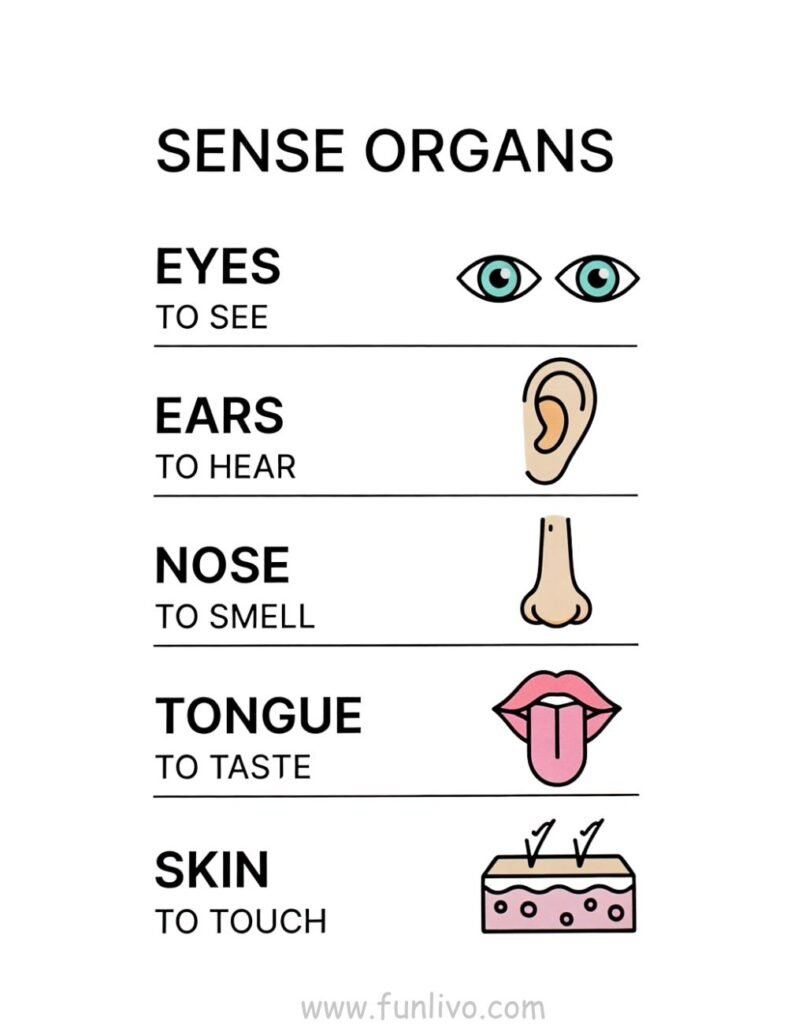
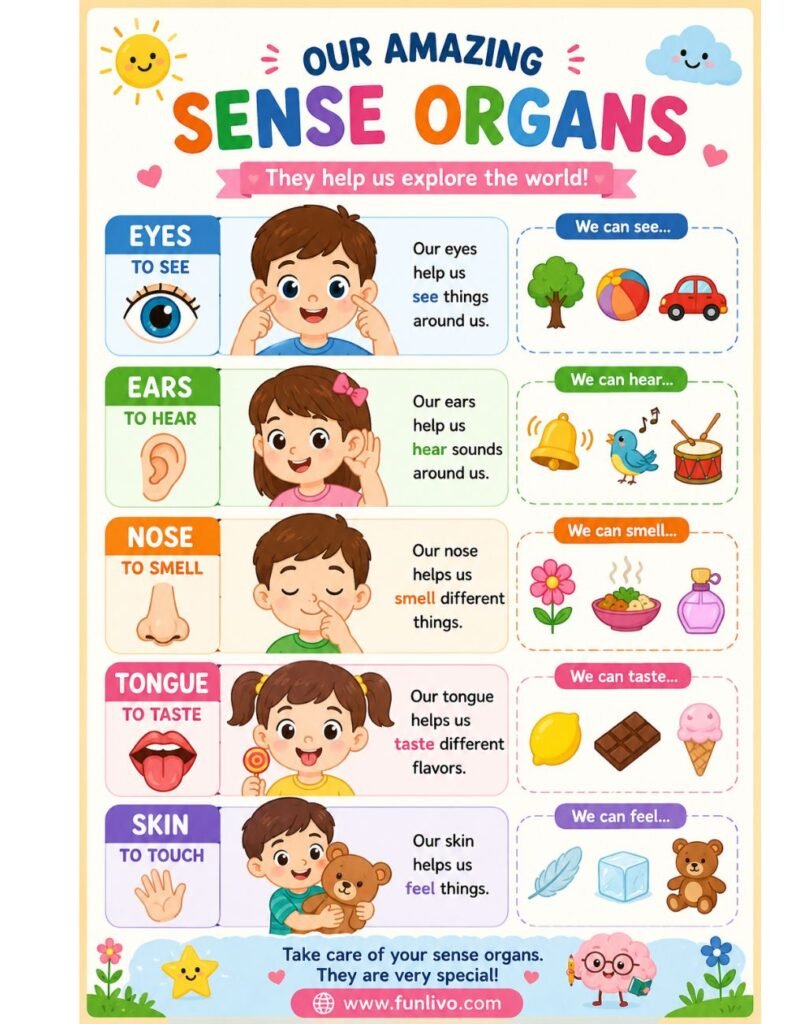
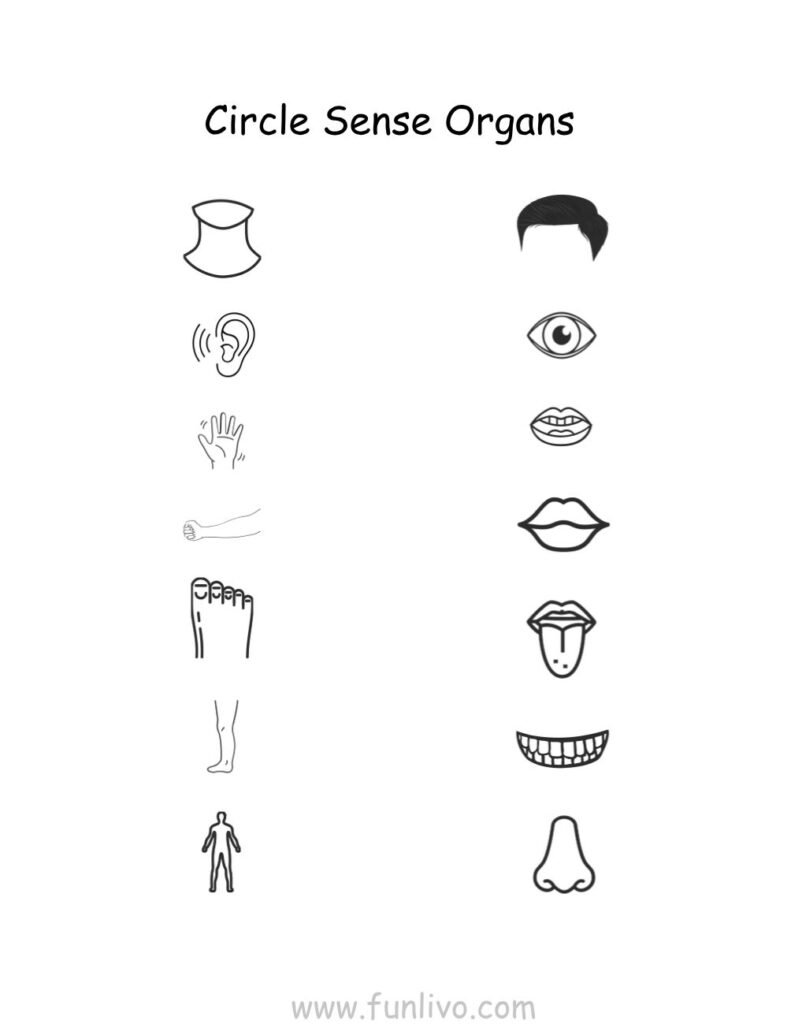
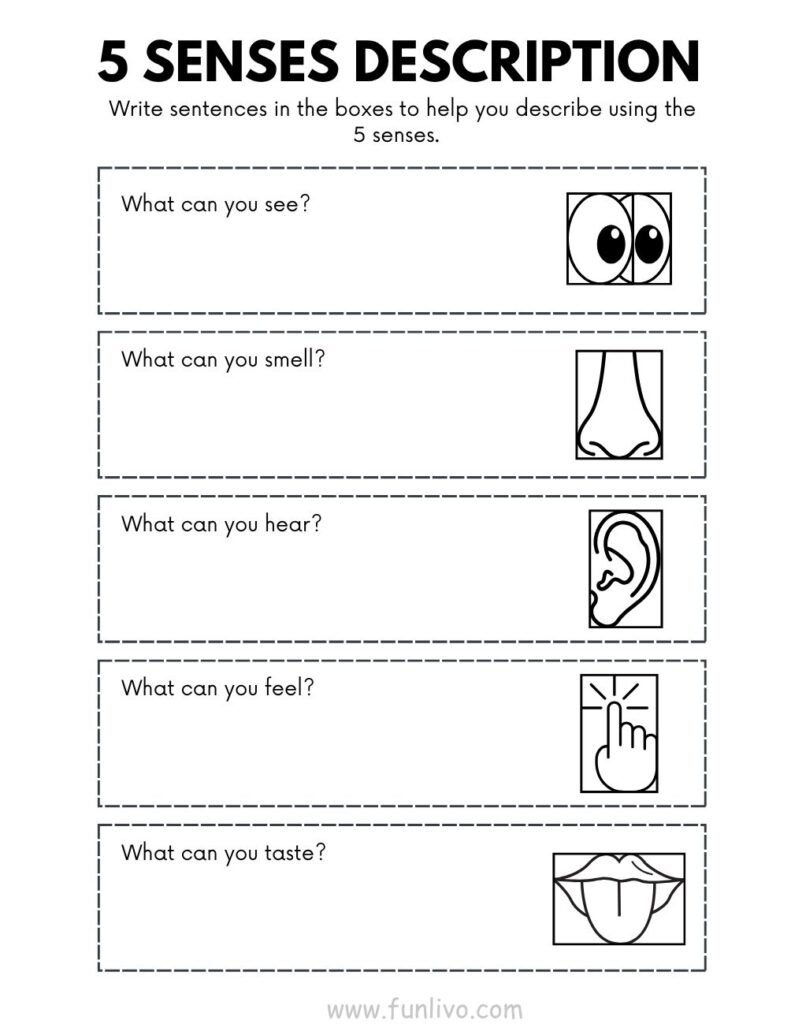
You can download and use our free worksheets for practice at home or in the classroom. These worksheets are suitable for young learners and can be used alongside simple conversations, songs, and movement activities.
More Preschool EVS and GK Worksheets
If you want more preschool EVS and GK worksheets for your kids, these body parts worksheets are part of our complete EVS and GK Worksheet Bundle.
The full bundle includes 200+ worksheets covering a variety of preschool learning topics, so you can get more practice activities in one place.
Want to explore the full bundle?
Get the complete EVS and GK Worksheet Bundle and give your child more fun, structured learning activities to practice at home or in the classroom.