
Fine Motor Activities for Preschool Kids: Tracing, Coloring and More
Fine motor activities for Preschool Kids help young children use the small muscles in their hands and fingers for everyday tasks. For preschool children ages 3–6 years, simple activities such as coloring, tracing, cutting, drawing, pasting, and playing with playdough can give them plenty of opportunities to practice these skills.
The good thing is that fine motor practice does not always have to feel like “work.” Children can build these skills while playing, creating, solving simple puzzles, or doing activities they already enjoy.
Fine motor skills develop through everyday activities that involve using and controlling the small muscles of the hands and fingers. Activities such as drawing, cutting, dressing, playing with playdough, and using small tools give young children opportunities to build hand strength and coordination.
“NAEYC explains that everyday activities such as drawing, cutting, dressing, and playdough can help children practice fine motor skills.”
Why Are Fine Motor Activities Important for Preschool Kids?
Children use their hands and fingers for many things throughout the day. Holding a pencil, turning a page, using scissors, opening buttons, picking up small objects, and eventually writing all require hand and finger control.
Regular practice can help children develop:
- Better pencil and crayon control
- Stronger fingers and hands
- Hand-eye coordination
- Better control of small movements
- Pre-writing skills
- Focus and concentration
- Confidence with everyday tasks
- Greater independence in simple activities
For preschoolers, short and enjoyable activities are often enough. You do not need to make every activity complicated.
Fine Motor Activities for Preschool Kids
There are many simple ways to include fine motor practice in a child’s day. Here are some activities that are especially useful for children ages 3–6.
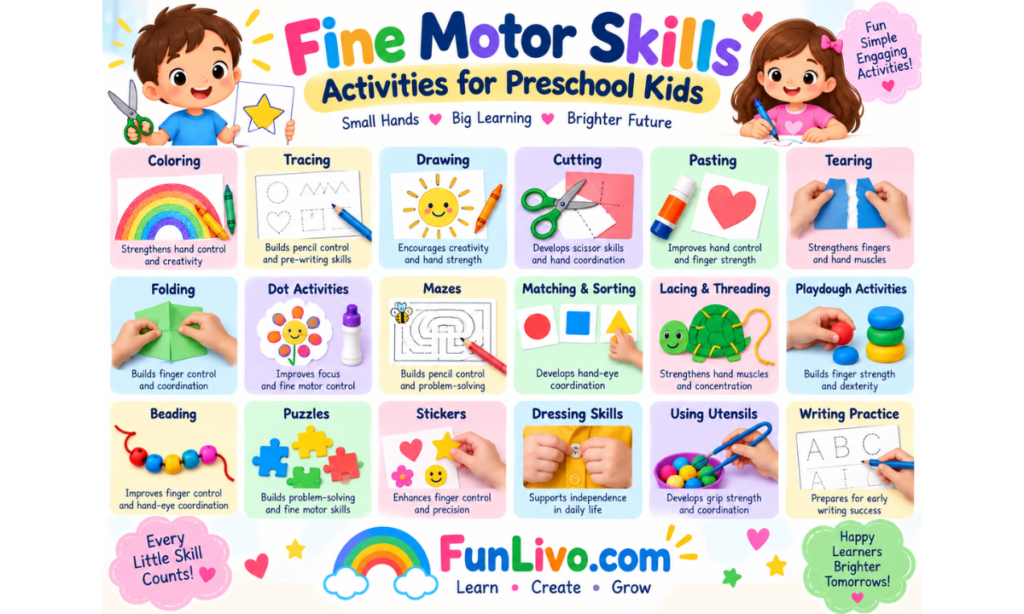
1. Coloring Activities
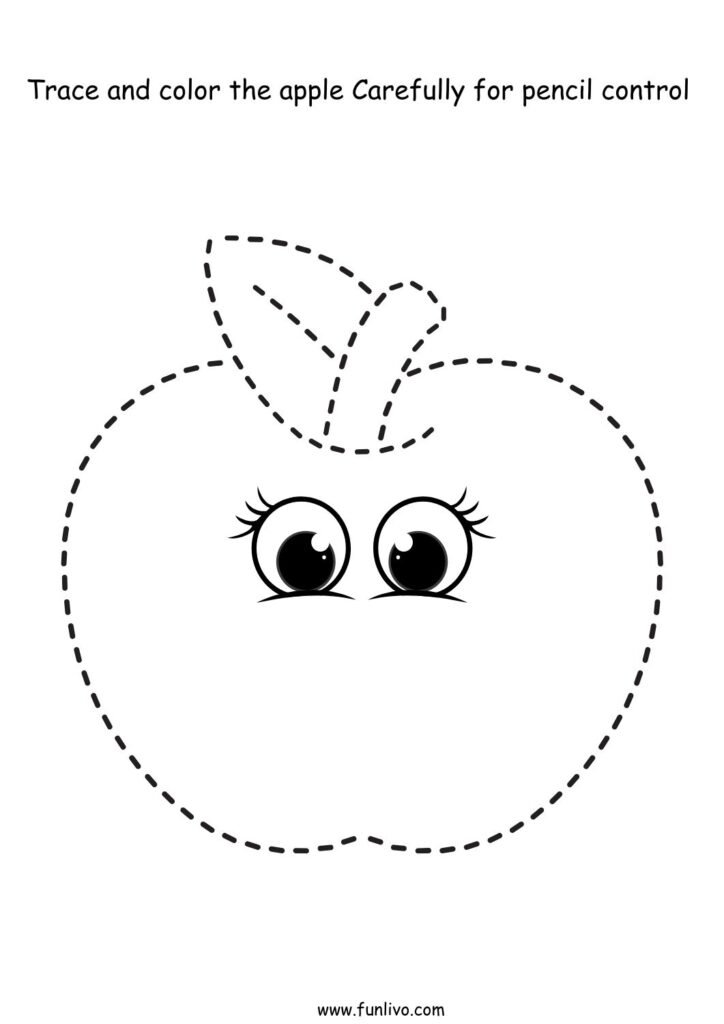
Coloring is an easy way to encourage children to hold and control crayons or pencils. Let children color simple pictures, shapes, objects, or their favorite characters.
Benefits: Coloring can support hand control, pencil grip, coordination, and creativity.
2. Tracing Activities
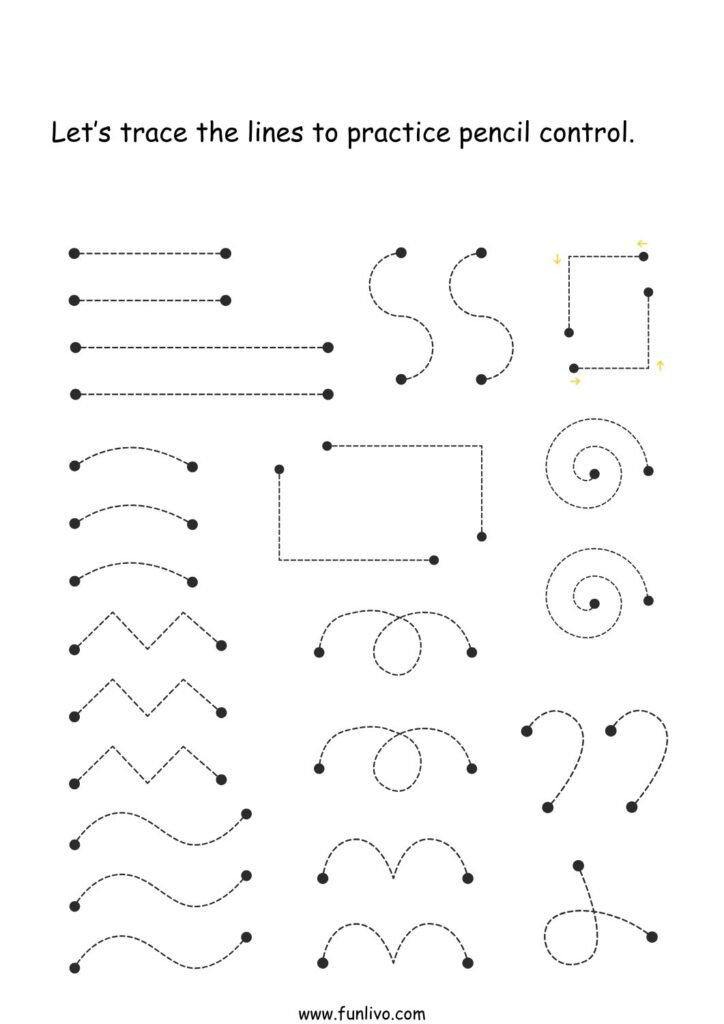
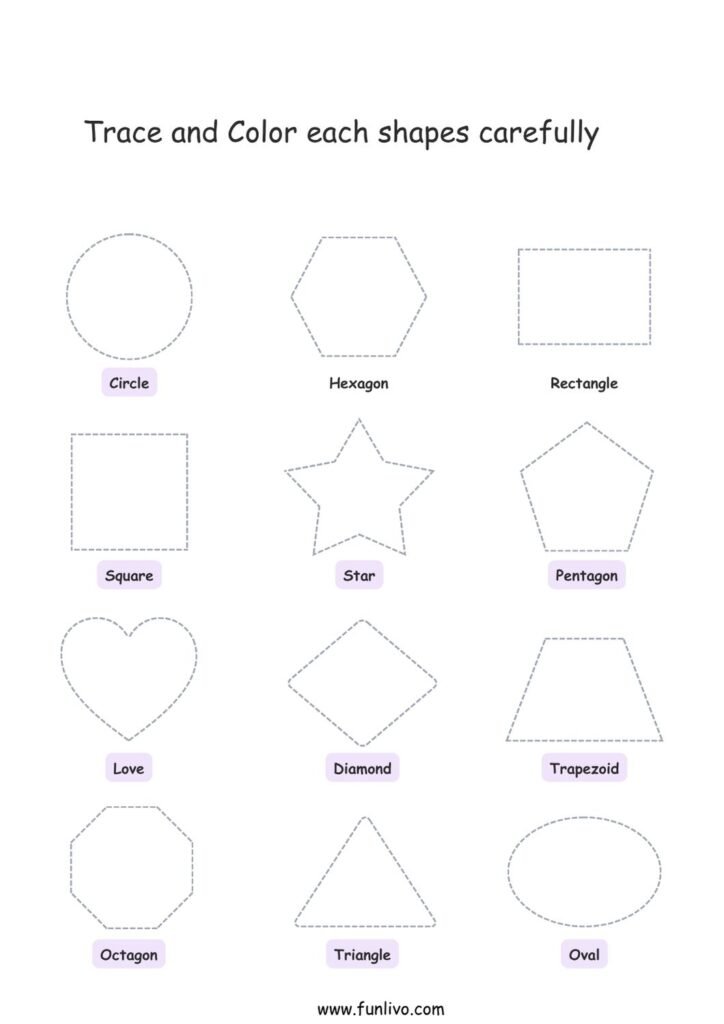
Tracing lines, curves, shapes, letters, and numbers gives children practice moving a pencil along a specific path.
Start with simple horizontal and vertical lines before moving to curves, zigzags, shapes, letters, and numbers.
Benefits: Tracing supports pencil control and early pre-writing practice.
3. Drawing
Give children opportunities to draw freely as well as follow simple drawing prompts. They can draw people, houses, animals, shapes, flowers, or anything they imagine.
Benefits: Drawing encourages controlled hand movements while giving children a chance to express their ideas.
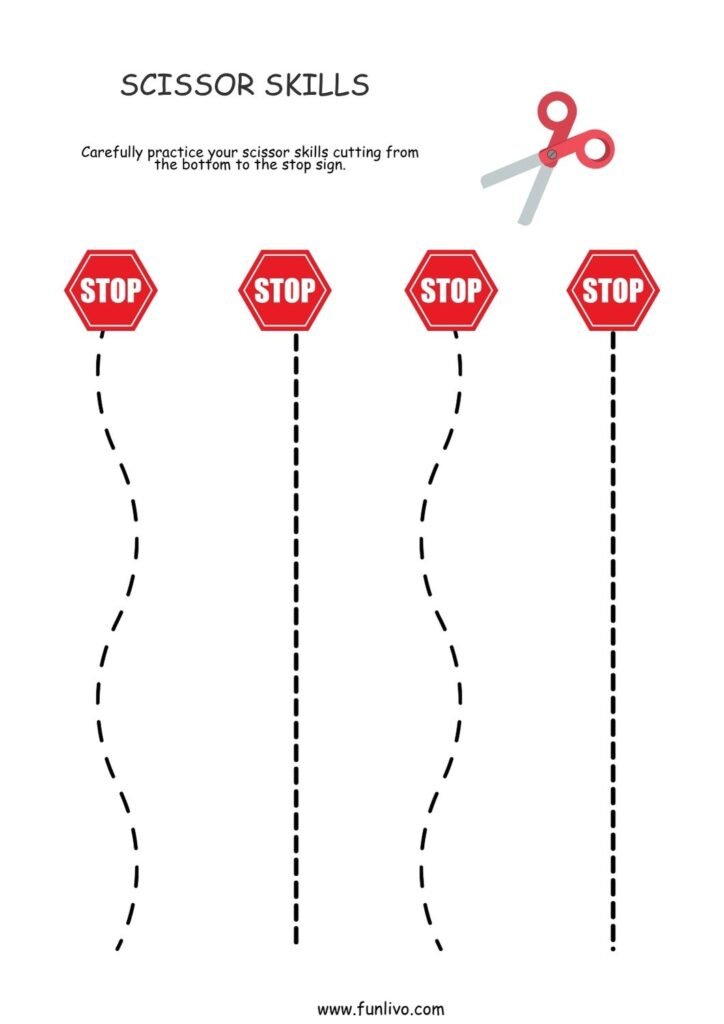
4. Cutting with Scissors
Simple cutting activities can help children learn how to open and close scissors and follow a line. Begin with straight lines and gradually introduce curves and simple shapes.
Benefits: Cutting helps children practice scissor control, hand coordination, and precision.
Always supervise young children when they are using scissors.
5. Cut-and-Paste Activities
Children can cut simple pictures or shapes and paste them in the correct place. This combines several small hand movements in one activity.
Benefits: These activities encourage hand control, coordination, and following simple instructions.
6. Tearing and Pasting
Tearing paper into small pieces and using the pieces to create a picture is another simple activity for little hands.
Benefits: Tearing and pasting can give fingers a chance to practice controlled movements and handling small pieces of paper.
7. Mazes and Dot Activities
Simple mazes, dot activities, and path-following worksheets encourage children to move a pencil carefully from one point to another.
Benefits: These activities can support pencil control, visual attention, and hand-eye coordination.
8. Matching and Sorting
Children can match shapes, pictures, colors, or objects and sort them into groups.
Benefits: Besides early learning, picking up and moving small items can give children opportunities to practice controlled finger movements.
9. Playdough Activities
Rolling, squeezing, pinching, flattening, and shaping playdough are fun ways to keep little hands busy.
Benefits: Playdough play can strengthen finger and hand muscles while encouraging creativity.
10. Lacing, Beading & Puzzles
Lacing cards, threading large beads, placing puzzle pieces, and similar hands-on activities require children to use their fingers carefully.
Benefits: These activities can encourage hand-eye coordination, concentration, finger control, and precision.
11. Dressing Practice
Everyday tasks such as opening buttons, pulling zippers, and handling simple fasteners also give children useful fine motor practice.
These activities have an added benefit: children are practicing skills that can help them become more independent in daily routines.
12. Writing Practice
Once children are ready, simple letter, number, and name-writing activities can become part of their practice.
Tracing first and then gradually encouraging independent writing can make the transition easier for young learners.
According to the American Occupational Therapy Association (AOTA), Hands-on activities such as playing with playdough, shaping, and manipulating materials can give young children opportunities to practice fine motor movements and hand control.
How to Use Fine Motor Worksheets at Home or in Preschool
Fine motor worksheets work best when they are kept simple and age-appropriate. You can choose activities according to the child’s current ability rather than expecting every child to complete the same worksheet.
For example:
- Ages 3–4: Start with simple lines, coloring, shapes, matching, and basic tracing.
- Ages 4–5: Add letters, numbers, mazes, cutting, and more detailed tracing.
- Ages 5–6: Introduce more writing practice, complex tracing, cutting shapes, and activities requiring greater precision.
Keep practice sessions short and allow children to take breaks. The goal is to give them regular opportunities to use their hands—not to finish as many worksheets as possible.
Frequently Asked Questions About Fine Motor Activities for Preschool Kids
What are fine motor activities for preschool kids?
Fine motor activities are activities that involve controlled movements of the hands and fingers. Examples include coloring, tracing, drawing, cutting, pasting, playdough, puzzles, lacing, beading, and writing practice.
Are coloring and tracing fine motor activities?
Yes. Coloring and tracing both involve controlled hand and finger movements and can be useful for developing pencil control and early writing skills.
What age should children start fine motor activities?
Children can practice fine motor skills from an early age through age-appropriate play. For preschool children ages 3–6, simple coloring, drawing, puzzles, playdough, tracing, and hands-on activities are good ways to practice.
Are these worksheets suitable for every preschool child?
Children develop at different rates, so activities should be selected according to their individual abilities. These worksheets are intended as basic practice and foundation activities, not as a replacement for a structured preschool curriculum.
Download Fine Motor Worksheets for Preschool Kids
Download More Preschool Learning Resources
Want more simple activities for little hands? Explore these printable resources from FunLivo:
30 Days Pencil Control Worksheets
A simple 30-day practice set with line tracing, dot activities and other basic pencil-control exercises to help young children practice holding and moving a pencil with greater control.
280+ Preschool Tracing & Coloring Worksheets
A large collection of tracing, coloring, drawing, cutting and other simple fine motor activities for preschool children.